Modern Designs for Cape Cod Homes: Merging Tradition with Innovation
Understanding Cape Cod Homes
Cape Cod homes are a distinctive architectural style that brings to mind a charming simplicity and a deep-rooted historical context. Originating in New England, these homes are characterized by their steep roofs and symmetrical design. As the popularity of cape cod homes endures, an exploration into their architecture, significance, and modern adaptations reveals much about American culture and design evolution.
The Historical Significance of Cape Cod Homes
The origins of Cape Cod homes trace back to the early 1600s when settlers sought to create durable housing suited for the harsh New England winters. Their design reflects practicality, with features that address the climate, such as steep roofing to prevent snow accumulation and wooden clapboards for durability. The homes were typically built from local materials, embracing a rustic aesthetic that resonated with the environment. This architectural style not only provided shelter but also symbolized resilience and community among the early settlers.
Key Architectural Features
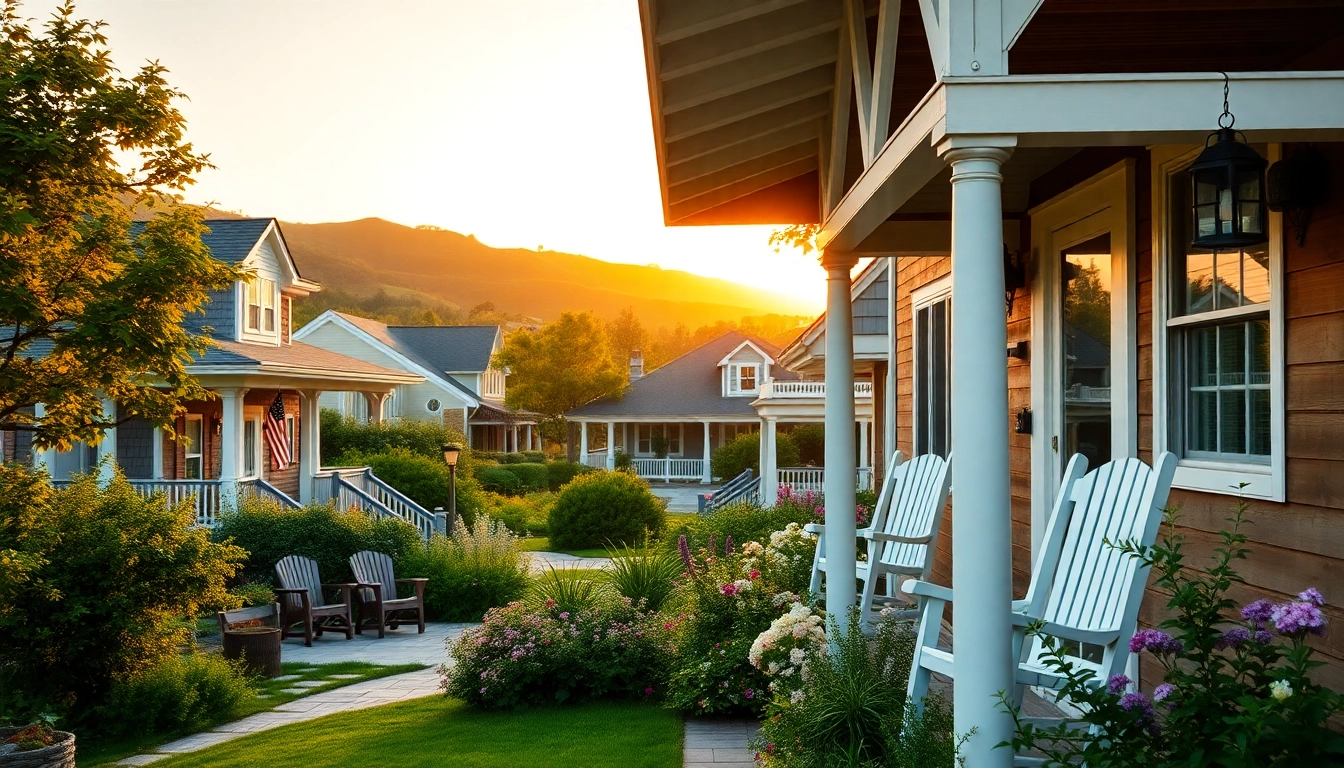
The defining characteristics of Cape Cod homes include their low-to-the-ground structure, steep pitched roofs, and dormer windows, which enhance both aesthetic appeal and functionality by allowing natural light to penetrate the upper levels. These homes are traditionally one or one-and-a-half stories, often featuring a central front door flanked by symmetrical windows. The use of natural wood finishes and coastal color palettes, typically soft blues, greens, and grays, further reflect the surrounding landscape and coastal heritage of their birthplace.
Modern Adaptations of Cape Cod Homes
In today’s architectural landscape, Cape Cod homes have evolved to incorporate contemporary elements while maintaining their historical roots. Modern adaptations include open floor plans, updated materials such as energy-efficient windows and insulation, and the integration of sustainable technologies. The aim is not only to preserve the unique character of these homes but also to enhance comfort and energy efficiency, appealing to the needs of modern families while keeping the charm intact.
Benefits of Cape Cod Homes
Energy Efficiency in Design
One compelling advantage of Cape Cod homes is their inherent energy efficiency. The steep roofs allow for efficient snow runoff, reducing potential structural damage and heat loss. Additionally, the small footprint of these homes fosters efficient heating, as less space requires less energy to maintain comfortable temperatures. Furthermore, many new constructions incorporate advanced insulation and energy-efficient windows to bolster this benefit, making them an appealing choice for eco-conscious homeowners.
Affordability in Construction
While costs can vary based on location and design complexity, Cape Cod homes often present a more affordable option for homebuyers. The simple design allows for straightforward construction, typically resulting in lower labor costs. Furthermore, the enduring popularity of Cape Cod homes may enhance their resale value, providing a sound investment for future financial stability.
Cultural Appeal and Market Trends
Cape Cod homes resonate deeply within the cultural fabric of New England and beyond. As a timeless symbol of Americana, their charm attracts buyers looking for nostalgic qualities combined with modern comforts. Market trends indicate a growing preference for sustainable living and compact design, positioning Cape Cod homes favorably among a demographic valuing simplicity, functionality, and design that harmonizes with nature.
Designing Your Perfect Cape Cod Home
Choosing the Right Materials
When designing a Cape Cod home, material selection plays a vital role in preserving its character and enhancing its durability. Traditional materials include wood siding, which can be painted or stained in various coastal colors, creating a natural aesthetic that blends with the environment. Today, many homeowners opt for sustainable materials, such as reclaimed wood and composite siding, to marry style with eco-friendliness, ensuring the home remains environmentally responsible.
Effective Space Utilization
The layout of a Cape Cod home prioritizes efficient use of space, featuring multi-functional rooms which can serve various purposes as family needs change. Incorporating built-in storage options, such as bookcases and window benches, maximizes floor space, while open-concept designs foster a more communal atmosphere. Utilizing attics or basements can also provide additional living areas or storage, ensuring every square foot is optimized.
Landscaping Ideas for Your Cape Cod Home
Landscaping plays an instrumental role in enhancing the visual appeal of a Cape Cod home. Utilizing native plants not only complements the home’s aesthetic but also supports local ecology and reduces maintenance. Classic elements such as white picket fences, hydrangeas, and ornamental grasses create a serene coastal garden. Consideration of outdoor living spaces, like patios and porches, extends the home’s livable area, creating perfect spots for family gatherings and relaxation.
Building and Renovating Cape Cod Homes
Key Regulations and Guidelines
Building or renovating a Cape Cod home requires adherence to local regulations and guidelines that govern construction practices. It is crucial to consult with local zoning offices to ensure compliance with historical preservation laws, especially in areas known for their heritage. Understanding building codes related to energy efficiency, material usage, and design standards can streamline the construction or renovation process, ensuring a smooth experience.
Hiring the Right Professionals
Choosing the right professionals is essential to realizing your vision for a Cape Cod home. Engaging architects who specialize in this architectural style can help ensure that the home’s design respects both tradition and modern necessities. Contractors with experience in crafting or renovating Cape Cod homes can provide invaluable insights into material selection and labor practices, guaranteeing the project is completed efficiently and to a high standard.
Budgeting for Renovation Projects
When budgeting for the construction or renovation of a Cape Cod home, a comprehensive plan is crucial. Consider costs related to materials, labor, permits, and interior finishes. Including a contingency fund for unexpected expenses can help navigate fluctuations during the project’s timeline. Detailed planning offers opportunities to prioritize elements, allowing homeowners to invest wisely based on their vision and financial capacity.
FAQ Section on Cape Cod Homes
What are the defining features of a cape cod home?
Cape Cod homes are characterized by steep roofs, symmetrical designs, dormer windows, and typically one or one-and-a-half stories. They embrace natural materials and coastal color palettes, reflecting New England’s charm.
How much does it typically cost to build a cape cod home?
The cost to build a Cape Cod home varies widely based on factors such as location, materials, and size. On average, they may range between $150 to $300 per square foot, making them relatively affordable for many buyers.
Can cape cod homes be customized?
Yes, Cape Cod homes can be customized to reflect personal tastes and lifestyle needs. Many homeowners opt for modern amenities while maintaining traditional architectural features, creating a balance between old and new.
What landscaping works well with cape cod homes?
Landscaping for Cape Cod homes often includes native plants, white picket fences, hydrangeas, and ornamental grasses. These elements complement the home’s aesthetic while enhancing the overall curb appeal.
Are cape cod homes energy-efficient?
Yes, Cape Cod homes can be highly energy-efficient. Their design promotes natural ventilation and light while many modern builds incorporate energy-efficient materials and technologies that enhance sustainability and lower utility costs.