Comprehensive Guide to Spray Foam Removal Consultation for Homeowners
Understanding Spray Foam Removal Consultation
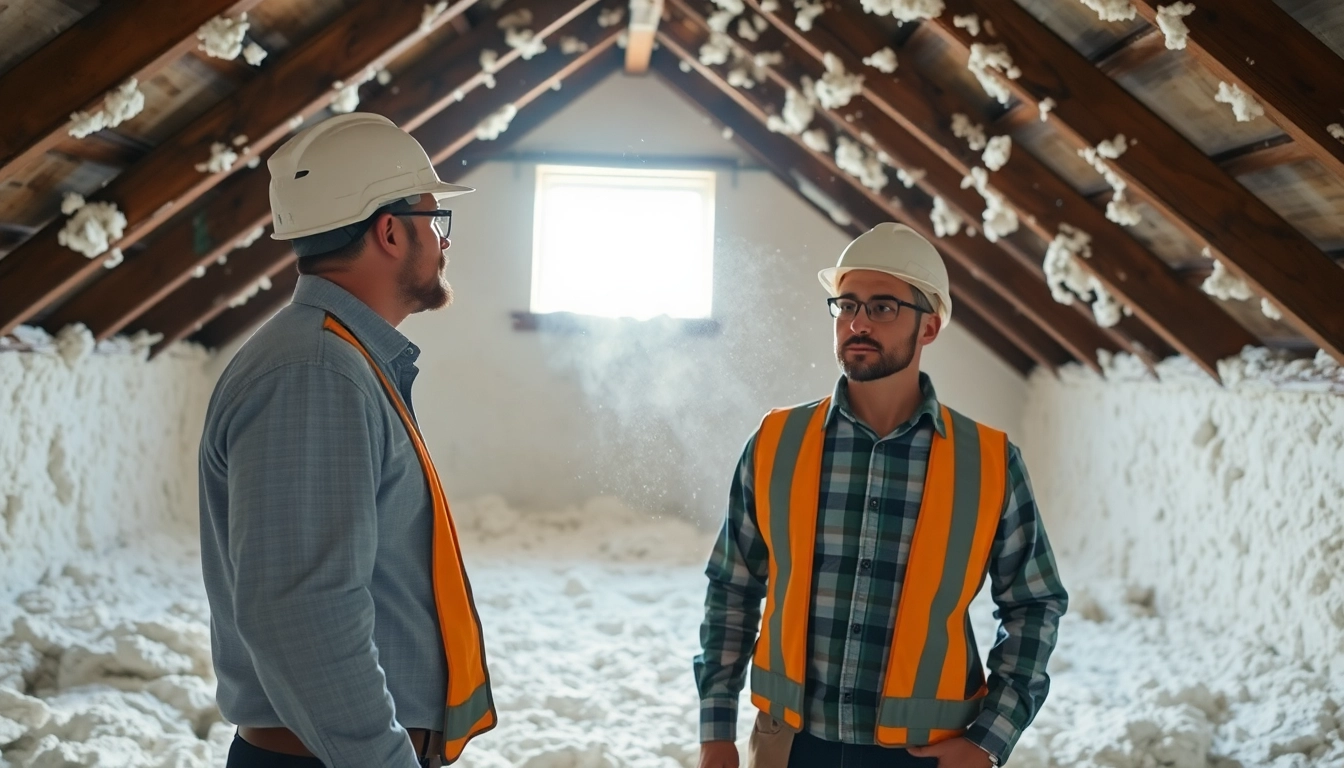
In the world of home renovation and maintenance, many homeowners find themselves faced with the need for spray foam removal consultation. This consultation is critical for ensuring that your home insulation needs are met safely and effectively. Understanding what spray foam insulation is and why professional assistance is vital is the first step toward a successful removal process.
What is Spray Foam Insulation?
Spray foam insulation is a popular choice among homeowners seeking energy efficiency and enhanced comfort in their homes. This insulation material is created by combining two chemical components, which, when mixed, expand and solidify into a rigid foam. There are generally two types of spray foam: open-cell and closed-cell. Open-cell spray foam is softer and more flexible, making it ideal for interior applications, while closed-cell foam is denser and provides better moisture impermeability and insulation performance.
Why Consult Professionals for Removal?
Consulting with professionals for spray foam removal is not just a matter of convenience; it’s about safety and efficiency. Professionals have the training, experience, and tools necessary to remove spray foam without damaging existing structures or exposing occupants to harmful chemicals. The removal process can release isocyanates, which may pose health risks if proper precautions aren’t taken. A trained expert ensures that the removal is handled safely, protecting both your health and the integrity of your home.
Signs You Need a Spray Foam Removal Consultation
There are several indicators that you may require a consultation for spray foam removal:
- Water Damage: If you notice moisture or water intrusion, the spray foam may no longer perform effectively.
- Health Issues: Signs of allergies or respiratory problems might suggest that the spray foam is degrading or causing contaminants to circulate.
- Visible Damage: Cracks, peeling, or noticeable changes in the foam’s structure are signs of potential failure.
- Heat Loss/Gain: If your home feels unusually cold or hot despite the insulation, it might be time to assess the foam.
The Consultation Process
Initial Assessment Techniques
The initial assessment during a spray foam removal consultation typically involves a thorough inspection of the insulation system. Experts will evaluate the condition of the spray foam, check for moisture issues, and assess any damage to surrounding structures. Techniques may include infrared thermography to detect temperature variations indicating heat loss, moisture meters, and visual inspections for signs of deterioration.
Key Questions for Your Consultant
When consulting with a professional, it’s essential to ask targeted questions that can clarify the process and address your concerns. Key questions to consider include:
- What are the risks associated with removing spray foam?
- Can you explain the removal process in detail?
- What kind of materials will be used during the removal?
- How long will the process take, and what can I expect during the removal?
- What options do I have for insulation after removal?
Preparing for a Successful Consultation
Preparation is vital for an effective spray foam removal consultation. Homeowners should clear the area of personal belongings to provide easy access for the consultant. Compiling information about the existing insulation, such as the type of spray foam used and any previous issues, can also be beneficial. Note specific concerns or observable signs related to the insulation that you wish to discuss during the consultation.
Costs Involved in Spray Foam Removal Consultation
Factors Influencing Consultation Fees
The cost of a spray foam removal consultation can vary widely based on several factors. Geographical location, the size and condition of the area to be assessed, and the complexity of the job all play significant roles in determining the pricing. In regions with a high cost of living, consulting fees may be more expensive than in areas with lower costs.
Typical Pricing Scenarios
On average, a spray foam removal consultation can range from $100 to $300, depending on the factors mentioned. For larger or more complex jobs, costs can rise significantly, particularly if additional issues are revealed during the assessment. Homeowners should consider these costs in light of potential savings from improved energy efficiency after a thorough removal and replacement.
Cost vs. Value: Is It Worth It?
While the upfront costs of a spray foam removal consultation may seem significant, the long-term benefits often outweigh these expenses. Properly addressing insulation issues can lead to reduced energy costs, improved indoor air quality, and enhanced comfort levels in your home. Thus, many homeowners find that investing in professional consultation is a worthwhile endeavor, yielding significant returns over time.
Best Practices for Spray Foam Removal
Steps to Ensure Safe Removal
Ensuring safety during spray foam removal involves several key steps:
- Conduct a Pre-Assessment: Before removal, professionals should evaluate the existing insulation for potential hazards.
- Use Protective Gear: Specialists must wear personal protective equipment, including respirators, gloves, and protective eyewear.
- Ventilate the Area: Adequate ventilation is crucial to minimize inhalation risks during the removal process.
- Isolate the Work Area: Limit access to the affected area to avoid exposing others to hazardous materials.
- Employ Safe Removal Techniques: Utilize tools specifically designed for safe spray foam removal to minimize damage to surrounding areas.
Tools and Techniques Used by Experts
Professional removal teams utilize various tools and techniques tailored to the specific type of spray foam and the installation environment. Common tools may include:
- Scrapers and Abrasives: These are used for removing rigid foam insulation safely.
- Heat Guns: Applicators may use heat guns for loosening adhesives, making foam easier to peel away.
- Commercial Vacuum Systems: Specialized vacuums can help extract debris while minimizing airborne particles.
Post-Removal Considerations for Homeowners
After the spray foam removal process, several critical considerations remain:
- Inspect for Damage: Examine the area for any structural damage that may require repairs.
- Assess Air Quality: Consider air quality testing to ensure that no harmful substances remain post-removal.
- Plan for Replacement: Develop a plan for new insulation, ensuring it meets the needs of your home.
Frequently Asked Questions
What Should I Expect from a Spray Foam Removal Consultation?
Expect a thorough assessment of your insulation, including recommendations and estimated costs, tailored to your needs.
How Do I Prepare for the Consultation?
Clear the area of any belongings, provide prior insulation details, and note any specific issues for discussion during the consultation.
Are Consultations Necessary for Small Areas?
Even small areas benefit from professional insight as improper techniques can lead to damage or health issues.
Can I Remove Spray Foam Myself?
DIY removal is risky; consult professionals for safe and effective removal to avoid damage or hazards.
How Long Does a Consultation Typically Last?
Consultations usually take 1-2 hours, depending on the complexity of the situation and the area being assessed.