
Mastering Video to Prompt: 5 Essential Techniques for 2026
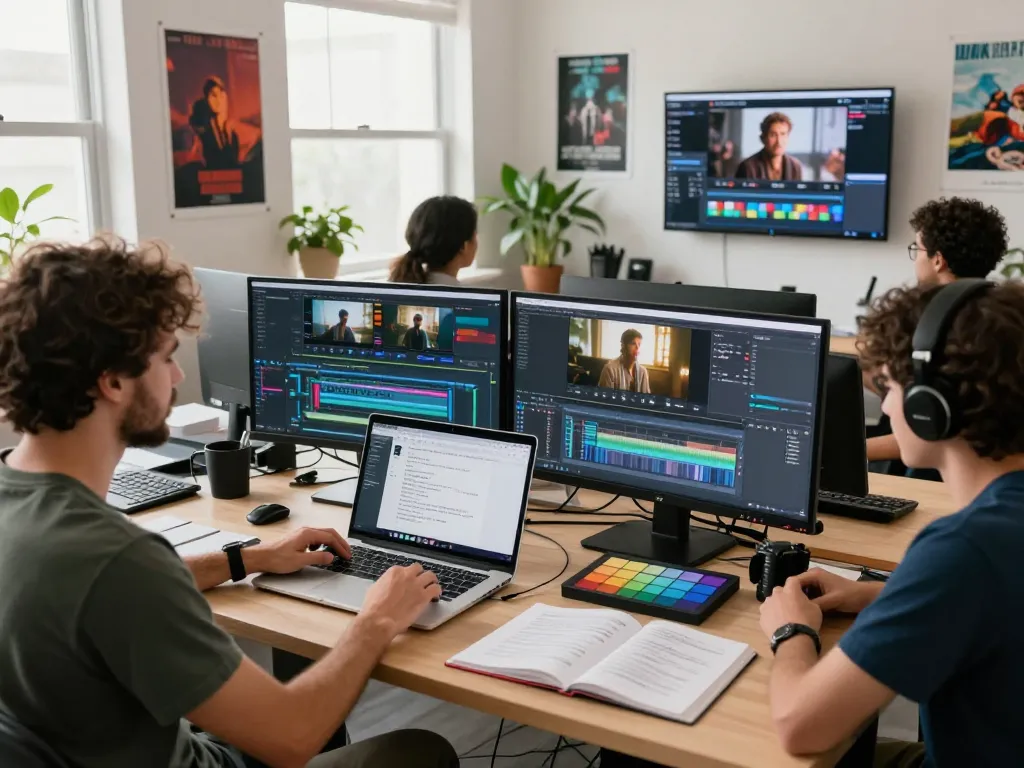
Understanding Video to Prompt Converters
The advent of artificial intelligence in video creation has transformed how digital creators approach their projects. One of the most groundbreaking tools in this space is the video to prompt converter, which enables users to extract detailed prompts from existing videos. This not only streamlines the creative process but also provides a deeper understanding of video composition and style. By harnessing the power of advanced algorithms, tools like video to prompt converters can dissect every element of a video, providing creators with actionable text instructions that can be used for their own projects.
What is a Video to Prompt Converter?
A video to prompt converter is a digital tool that analyzes video content and generates descriptive text prompts based on the visual elements it detects. These prompts can include information about the scene composition, camera movements, lighting, and other cinematic techniques. The output can be used by creators to replicate styles, enhance storytelling, or inspire new projects. This technology is especially beneficial for filmmakers, marketers, and educators looking to leverage video content effectively.
How Video to Prompt Technology Works
The underlying technology of video to prompt converters typically involves advanced AI algorithms that utilize computer vision and machine learning. When a video is uploaded, the software analyzes each frame, recognizing key components such as subject matter, actions, and camera angles. It then generates a natural language description that encapsulates these elements. This process allows users to reverse-engineer the techniques behind their favorite videos, providing a solid foundation for creating original content.
Benefits of Using Video to Prompt Tools
- Enhanced Creativity: By understanding the nuances of video production, creators can push their artistic boundaries and experiment with different styles.
- Time Efficiency: Instead of manually analyzing videos for creative elements, a converter dramatically speeds up the process.
- Improved Learning: For those new to video creation, these tools serve as educational resources that offer insights into effective filmmaking techniques.
- Tailored Prompts: With features that align prompts with specific AI models, creators can achieve optimal results based on the software they are using.
Choosing the Right AI Model for Your Needs
When it comes to generating prompts from video content, selecting the appropriate AI model is crucial for the quality and relevance of the output. Different models have unique strengths and capabilities that cater to various creative needs.
Overview of Supported AI Models: Sora, Veo, and Kling
VideoPrompt.fun supports several advanced AI video models, including Sora, Veo, and Kling. Each model is optimized for specific characteristics of video generation, ensuring that the prompts generated are both accurate and effective.
What Makes Each AI Model Unique?
- Sora: Known for its cinematic quality, Sora is perfect for narrative-driven projects that require detailed emotional and stylistic elements in prompts.
- Veo: Versatile and flexible, Veo excels in generating prompts that require high temporal consistency, making it ideal for projects that demand smooth transitions and storytelling.
- Kling: This model is designed for technically accurate and texture-rich prompts, focusing on creating visually striking outputs that emphasize details.
Comparative Analysis of Performance and Results
When comparing the performance of Sora, Veo, and Kling, users often consider factors such as the complexity of scenes, the fidelity of textures, and the emotional depth of prompts. Sora often shines in projects requiring a strong narrative element, while Veo’s strengths lie in maintaining visual fluidity during movements. Kling, on the other hand, is preferred for projects that necessitate high attention to detail and realism.
Optimizing Your Prompts for Better AI Video Output
Creating effective prompts is essential for achieving the desired results from AI video models. Here are several strategies to enhance your prompt generation process.
Key Elements to Include in Video Prompts
Effective prompts should encompass several critical elements, including:
- Subject Matter: Clearly identify the main focus of the scene, such as characters, objects, or environments.
- Action Descriptions: Use dynamic verbs that illustrate movement or interaction within the scene.
- Camera Techniques: Specify camera angles, movements (like pans or tilts), and depth of field to guide visual style.
- Emotional Tone: Convey the mood or atmosphere you wish to convey, whether it is tense, joyful, or melancholic.
Tailoring Prompts for Specific AI Models
Each AI model interprets prompts differently, so it’s vital to tailor your inputs accordingly. For instance, while Sora may require prompts that emphasize emotional storytelling, Kling might perform better with detailed descriptions of texture and realism. Understanding these nuances can significantly affect the quality of your AI-generated output.
Common Mistakes to Avoid When Crafting Prompts
When creating prompts, some common pitfalls include:
- Vagueness: Avoid using ambiguous language that can lead to misinterpretation by the AI.
- Over-complication: While details are important, overly complex prompts can confuse the model and yield subpar results.
- Neglecting the Model’s Strengths: Failing to leverage the unique attributes of the AI model can result in missed opportunities for creative expression.
Practical Applications of Video to Prompt Converters
Video to prompt converters are not just theoretical tools; they have a range of practical applications in the creative industry.
Reverse Engineering Popular Video Styles
By utilizing a video to prompt converter, creators can dissect popular videos and understand the techniques that contribute to their success. This process, known as reverse engineering, allows aspiring filmmakers to recreate or adapt successful styles to their projects, ultimately enhancing their creative repertoire.
Using Prompts for Creative Projects and Storytelling
Prompts generated from converted videos can serve as the foundation for various creative endeavors, from short films to marketing campaigns. By effectively leveraging these prompts, creators can ensure that their narratives are both coherent and compelling.
Case Studies: Success Stories from Video Creators
Numerous creators have harnessed the power of video to prompt tools to achieve significant success. For example, a filmmaker might use prompts to recreate the visual grandeur of a blockbuster film, while digital advertisers can extract key emotional elements to craft engaging commercials that resonate with target audiences. These real-world applications highlight the versatility and effectiveness of video to prompt technology.
Future Trends in AI Video Generation and Prompting
As artificial intelligence continues to evolve, the realm of video generation is set to undergo substantial transformations. Understanding these trends will allow creators to stay ahead of the curve.
Emerging Technologies in Video Analysis
The future of video analysis will likely see the integration of deeper learning algorithms that can interpret context more effectively. This means that future video to prompt converters may not only analyze visual elements but also understand narrative structures, themes, and audience emotions, providing richer and more nuanced prompts.
Predictions for AI Video Creation in 2026 and Beyond
By 2026, it’s expected that AI video creation tools will advance to a point where they can autonomously generate entire short films based on user-defined parameters. This evolution could revolutionize the industry, democratizing access to high-quality video production for creators of all backgrounds.
Preparing for the Next Evolution of Video to Prompt Tools
To remain competitive, creators should familiarize themselves with the latest developments in AI technology. Engaging in continuous learning and experimentation with video to prompt converters will be key to unlocking new creative possibilities. By doing so, creators can position themselves to leverage these tools effectively as they advance.