Mastering Civic Engagement: Strategies for Facing Serious Political Issues in 2026
Understanding the Landscape of Political Challenges
In recent years, communities across the globe have increasingly reported feelings of anxiety and uncertainty related to political events. This phenomenon, often termed “political anxiety,” reflects a growing concern about the implications of political decisions on daily life, stability, and societal norms. With the landscape of political challenges evolving rapidly, it is essential to explore the various aspects that contribute to this anxiety and the steps communities can take to navigate them effectively. A thorough understanding of these challenges is crucial, especially when community members are facing serious political issues that require their engagement and response.
The Rise of Political Anxiety in Communities
The rise of political anxiety can be attributed to several factors, including increased polarization, the prevalence of misinformation, and a general distrust of institutions. As communities witness unprecedented levels of division, many individuals are left feeling isolated and concerned about their ability to influence change. Studies have shown that political anxiety can lead to increased stress levels, affecting mental health and community cohesion.
Community leaders and mental health professionals emphasize the importance of addressing these anxieties through open dialogue and collective action. By fostering safe spaces for discussion, communities can encourage individuals to express their concerns while also facilitating constructive conversations that lead to understanding and empathy.
Key Factors Influencing Political Dynamics Today
Several key factors shape the contemporary political landscape. The impact of social media cannot be overstated, as it serves as both an avenue for information dissemination and a breeding ground for division. Political engagement has been transformed by the way information is consumed, with algorithms often fostering echo chambers that reinforce existing beliefs.
Additionally, economic disparities, social justice movements, and global events such as the COVID-19 pandemic have heightened political consciousness among citizens. These dynamics require individuals and communities to remain vigilant and proactive in their engagement to navigate the complexities of the current political climate.
Historical Context: Lessons from Past Political Movements
Understanding the historical context of political movements offers valuable insights into current challenges. History reveals that many successful movements have emerged from collective grievances, highlighting the power of unity in the face of adversity. For instance, civil rights movements have often relied on grassroots organization to effect change, teaching contemporary communities the importance of solidarity and collaboration.
The lessons from past political struggles can inform present-day strategies, emphasizing the need for grassroots mobilization, community awareness, and effective communication. By learning from history, communities can develop a nuanced approach to advocacy that resonates with a diverse audience.
Building Community Awareness and Engagement
Building awareness and engagement within communities is essential for fostering resilience against political challenges. As members face serious political issues, effective strategies can help create a stronger civic culture.
Effective Strategies for Grassroots Mobilization
Grassroots mobilization is about empowering individuals to take action in their communities through organized efforts. Some effective strategies include:
- Organizing local forums and discussions to address community concerns.
- Creating coalitions with local organizations to amplify voices and resources.
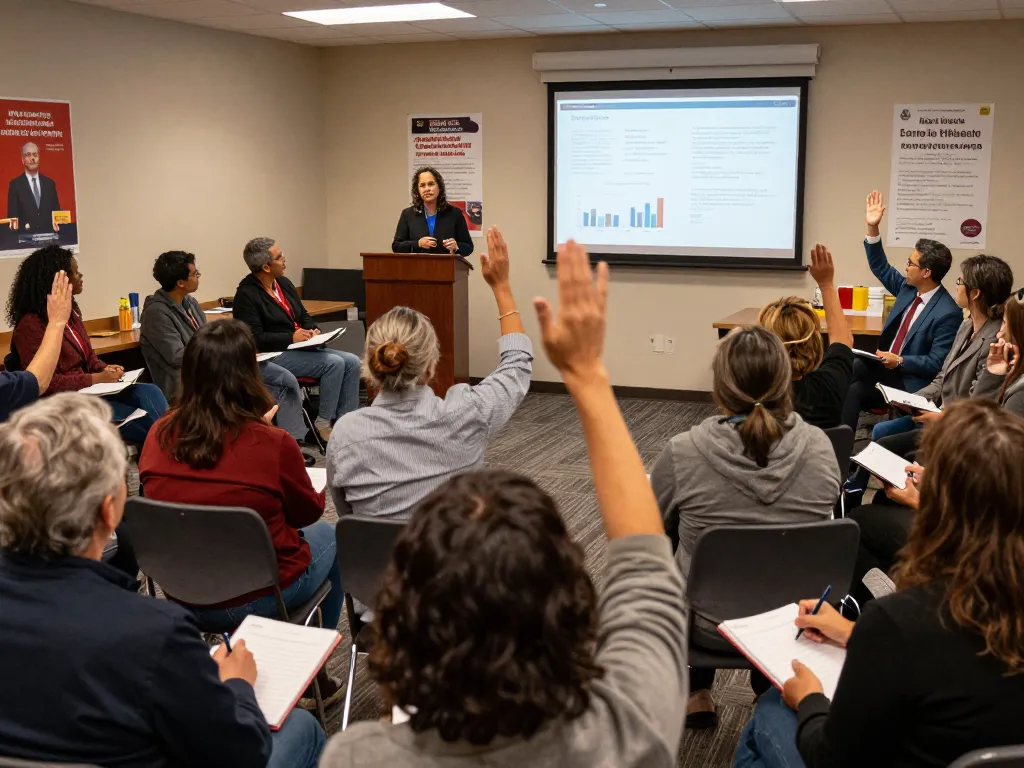
- Utilizing workshops and training sessions focused on advocacy skills and civic engagement.
These strategies not only raise awareness but also cultivate a sense of ownership over community issues, driving individuals to participate actively in political discourse and decision-making.
Utilizing Social Media for Civic Engagement
The role of social media in political engagement cannot be ignored. Platforms such as Facebook, Twitter, and Instagram serve as tools for organizing, informing, and mobilizing people. To effectively utilize social media:
- Share accurate information and resources to combat misinformation.
- Create engaging content that resonates with the community’s values.
- Encourage dialogue and interaction through polls, live streams, and Q&A sessions.
By harnessing the power of these platforms, communities can create a robust network for civic engagement that transcends geographical barriers.
Creating Informational Campaigns to Raise Awareness
Informational campaigns serve as a vital tool for educating the public on political issues. These campaigns can take various forms, such as:
- Distributing pamphlets or flyers with key facts and resources.
- Conducting workshops and seminars on current political issues.
- Collaborating with local media to share stories that highlight community concerns.
Effective campaigns not only inform but also motivate individuals to take action, further strengthening community ties and promoting informed participation.
Developing Effective Communication Skills
Effective communication is paramount in discussing political issues, especially in diverse groups where opinions may vary significantly. Developing these skills can facilitate understanding and collaboration among community members.
How to Discuss Politics in Diverse Groups
Discussing politics can be challenging, particularly in a polarized climate. To foster constructive conversations:
- Establish ground rules for respectful dialogue.
- Encourage participants to share personal experiences related to political issues.
- Focus on listening rather than debating to promote empathy and understanding.
These approaches help create an inclusive environment that values diverse perspectives while addressing pressing political concerns.
Listening Techniques for Constructive Dialogues
Active listening is a critical component of effective communication. Techniques such as paraphrasing, summarizing, and asking open-ended questions can encourage deeper engagement and facilitate understanding among participants. By cultivating an atmosphere of trust through attentive listening, communities can address sensitive political issues more effectively.
Framing Messages to Enhance Understanding
How messages are framed can significantly impact their reception. When discussing political issues, it is helpful to:
- Use clear, jargon-free language to enhance accessibility.
- Highlight common values and goals to foster connections between differing viewpoints.
- Share stories and personal experiences to humanize political topics.
By carefully framing messages, community members can encourage openness and constructive dialogue, reducing polarization and animosity.
Practical Steps to Address Political Issues
Once community members understand the dynamics at play, they can take practical steps to address political issues effectively. Accessibility and action are vital for encouraging engagement and participation.
Creating Actionable Plans for Local Initiatives
Actionable plans are essential for driving local initiatives. Consider the following steps when developing a plan:
- Identify specific issues and gather data to support your cause.
- Formulate clear and achievable objectives that outline desired outcomes.
- Engage stakeholders and community members to gather input and support.
By creating actionable plans, communities can mobilize resources effectively and work together toward shared goals.
Collaborating with Local Leaders and Organizations
Collaboration amplifies the impact of community initiatives. Building relationships with local leaders, organizations, and even businesses can help secure resources and support for initiatives. This can involve:
- Hosting meetings to align interests and objectives.
- Collaborating on events to engage a wider audience.
- Creating joint strategies that leverage the strengths of each partner.
Through collaboration, communities can create a unified front that is better equipped to address local political issues.
Measuring Impact: Assessing Community Engagement
Assessing the impact of community engagement efforts is essential for improvement and sustainability. This can be achieved through:
- Surveys and feedback sessions to gauge community sentiment and involvement.
- Tracking participation metrics at events and initiatives.
- Evaluating outcomes against initial objectives to measure success.
By measuring engagement, communities can refine their strategies and enhance their effectiveness in addressing political challenges.
Future Trends in Political Participation
As societal dynamics shift, so too do the trends in political participation. Understanding these trends is key for communities looking to engage effectively in the coming years.
Emerging Technologies in Civic Engagement
Emerging technologies are increasingly influencing civic engagement strategies. Innovations such as virtual reality simulations and online platforms for direct democracy can enhance participation and education. Communities should explore these technologies to provide more interactive and accessible means for individuals to engage politically.
Predictions for Political Movements in 2026
Looking ahead, predictions indicate that political movements will increasingly focus on inclusivity and sustainability. Grassroots movements will likely continue to thrive as individuals seek to reclaim agency in the political process. Additionally, collaboration across movements may become more common, fostering alliances that expand the reach and impact of advocacy efforts.
The Role of Youth in Shaping Future Politics
Youth engagement in political issues is essential for shaping the future landscape of civic participation. As younger generations become more politically aware, they will likely leverage social media and technology to drive change. Supporting youth-led initiatives and providing platforms for their voices can empower the next generation of leaders.
What are the most common political challenges faced today?
Common political challenges today include polarization, misinformation, social justice issues, and economic disparities. Addressing these challenges requires collaborative efforts from communities to foster understanding, empathy, and action.
How can individuals effectively engage in political discussions?
Individuals can engage in political discussions effectively by actively listening, respecting differing viewpoints, and framing messages clearly to promote understanding.
What role does social media play in modern political activism?
Social media plays a crucial role in modern political activism by facilitating the dissemination of information, organizing events, and mobilizing individuals for collective action.
How to foster a sense of community in political engagements?
Fostering a sense of community in political engagements involves creating safe spaces for discussion, encouraging participation at all levels, and building relationships among community members.
What are the future predictions for civic involvement?
Future predictions for civic involvement include increased digital engagement, a focus on sustainability and inclusivity in movements, and a greater role for technology in facilitating participation.