Mastering bóc ép dẻo: Essential Techniques and Trends for 2026
Understanding bóc ép dẻo: The Basics
Bóc ép dẻo, or flexible lamination, is a key process in the manufacturing of various products, particularly in the packaging and textile industries. This technique involves the bonding of thin layers of plastic film to create a protective layer, enhancing durability and aesthetics. As industries evolve, understanding the intricacies of bóc ép dẻo becomes essential for companies looking to maintain competitive advantages. When exploring options, bóc ép dẻo provides comprehensive insights into the latest advancements and applications.
What is bóc ép dẻo?
Bóc ép dẻo refers to the process of applying a flexible plastic layer to a substrate. This layer can be composed of various thermoplastics that offer significant benefits, such as moisture resistance, chemical protection, and enhanced visual appeal. The process typically involves the use of heat and pressure to create a strong bond between the film and the substrate, whether it be paper, cardboard, or other materials.
Benefits of using bóc ép dẻo in production
The advantages of bóc ép dẻo are manifold, making it a popular choice across numerous industries. Key benefits include:
- Enhanced Durability: Laminated products withstand wear and tear better than non-laminated alternatives, extending their lifespan.
- Moisture and Chemical Resistance: The plastic film serves as a barrier to moisture, oils, and chemicals, preserving the integrity of the product.
- Aesthetic Appeal: Bóc ép dẻo allows for high-quality printing and vibrant finishes, attracting consumers.
- Improved Shelf Life: By protecting products from environmental damage, laminated packaging can significantly increase shelf life.
Common applications in various industries
Bóc ép dẻo has established its presence across various sectors, including:
- Food Packaging: Flexible laminates are widely used to package food items, ensuring freshness and safety.
- Textiles: In the textile industry, bóc ép dẻo is employed to create water-resistant and durable fabrics.
- Consumer Goods: Products such as cosmetics and electronics often utilize laminated packaging for enhanced presentation and protection.
Key Techniques in bóc ép dẻo
Step-by-step process of bóc ép dẻo application
The bóc ép dẻo process involves several critical steps:
- Surface Preparation: The substrate must be cleaned and pre-treated to ensure optimal adhesion.
- Film Selection: Choosing the appropriate film, considering the product’s requirements, is vital for functionality and aesthetics.
- Heating: The film is heated to allow it to become pliable.
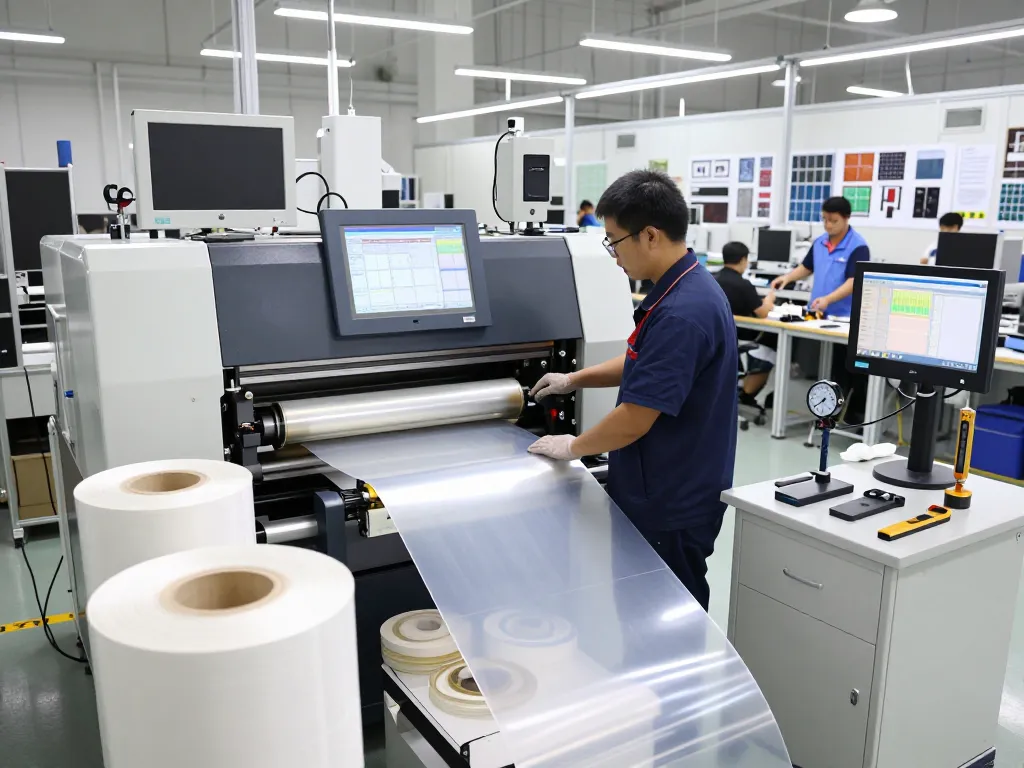
- Lamination: The heated film is applied to the substrate using rollers or press machines, adhering through pressure.
- Cooling: The laminated product is allowed to cool, solidifying the bond.
Tools and machinery used for optimal results
Successful bóc ép dẻo requires specialized equipment, including:
- Laminating Machines: These machines come in various configurations, such as roll-to-roll or sheet-fed, depending on production needs.
- Heat Sources: Infrared or heated rollers help to achieve appropriate temperatures for lamination.
- Adhesives: The selection of adhesives plays a crucial role in the bonding process, with options ranging from solvent-based to water-based solutions.
Best practices for quality assurance
Ensuring the quality of bóc ép dẻo applications involves adhering to best practices:
- Regular Maintenance: Keeping machinery in optimal condition will prevent defects and enhance production efficiency.
- Quality Checks: Implementing routine inspections of the laminated products can help catch issues early.
- Training: Continuous education for staff on the latest techniques and technologies will improve overall output quality.
Challenges in Implementing bóc ép dẻo
Identifying common pitfalls
While bóc ép dẻo offers many benefits, several challenges may arise during implementation:
- Inconsistent Quality: Variability in the lamination process can lead to defects if not meticulously monitored.
- Material Compatibility: Not all substrates work well with every film, necessitating careful selection and testing.
- Technical Expertise: A lack of skilled workers can result in poor application and decreased productivity.
Addressing material compatibility issues
Material compatibility plays a crucial role in the success of bóc ép dẻo. Companies should conduct compatibility tests to ensure that the laminating film adheres properly to the substrate without causing defects such as bubbling or delamination. Adjustments may involve selecting different adhesives or modifying the lamination process itself.
Overcoming production delays and inefficiencies
Production delays can occur due to equipment malfunctions, material shortages, or workforce challenges. Implementing a proactive maintenance schedule for machinery, maintaining adequate inventory levels, and cross-training employees can mitigate these issues and improve overall efficiency.
Innovative Trends in bóc ép dẻo for 2026
Emerging technologies in plastic lamination
As we look towards 2026, technological advancements in bóc ép dẻo are poised to transform the industry further:
- Digital Printing: The integration of digital printing technology with lamination allows for more customization and quicker turnaround times.
- Automation: Automated laminating systems can enhance production speed and reduce human error.
- Smart Fabrics: Innovations in smart textiles are paving the way for specialized laminated materials that can react to environmental changes.
Eco-friendly materials and sustainability practices
With increasing environmental concerns, companies are turning towards sustainable practices in bóc ép dẻo:
- Biodegradable Films: The development of biodegradable laminating films is gaining traction, reducing the environmental impact of plastic waste.
- Recycling Initiatives: Establishing systems for recycling laminated materials can help minimize waste and promote circular economies.
- Energy-efficient Machinery: Investing in energy-efficient equipment can significantly lower carbon footprints associated with production.
Case studies of successful adaptations
Numerous companies have successfully adapted bóc ép dẻo technologies to enhance their operations. For example, a leading food packaging manufacturer implemented advanced lamination techniques that reduced waste by 15% and improved product shelf life by 20%, showcasing the potential for increased efficiency and sustainability in practices.
The Future of bóc ép dẻo
Predictions for market growth and evolution
The bóc ép dẻo market is expected to experience significant growth in the coming years. Analysts predict an annual growth rate of 5-7%, driven by increasing demand in packaging, textiles, and consumer goods sectors. Key factors influencing this growth include advancements in technology, the rising popularity of eco-friendly products, and a shift towards flexible packaging solutions.
Expert insights from industry leaders
Industry leaders emphasize the importance of staying ahead of market trends. They advocate for continuous innovation in processes and materials, urging companies to invest in research and development to meet changing consumer demands and regulatory requirements.
Preparing for changes in consumer demand
As consumer preferences shift towards sustainability and product transparency, businesses must adapt their strategies accordingly. This involves not only embracing eco-friendly practices in bóc ép dẻo but also being transparent about sourcing and production methods to build trust with consumers.
What materials are best suited for bóc ép dẻo?
Choosing the right materials is crucial for effective bóc ép dẻo applications. Films such as polyethylene (PE), polypropylene (PP), and polyester (PET) are popular due to their durability and compatibility with various substrates. Selecting materials that align with the end product’s requirements ensures optimal performance and longevity.
How to maintain machinery for optimal performance?
Regular maintenance of laminating machinery is essential to ensure optimal performance. This involves routine cleaning, lubrication of moving parts, inspection for wear and tear, and timely replacement of components. Implementing a scheduled maintenance program can significantly reduce downtime and enhance production efficiency.
What are the environmental impacts of bóc ép dẻo?
The environmental impact of bóc ép dẻo largely depends on the materials used and the disposal methods employed post-use. While traditional plastics pose recycling challenges, advancements in biodegradable and recyclable films are mitigating these concerns. Adopting sustainable practices within the industry is critical for reducing carbon footprints and promoting environmental stewardship.
How can bóc ép dẻo improve product shelf life?
The protective barrier created by bóc ép dẻo extends the shelf life of products by preventing exposure to moisture, air, and contaminants. This is particularly beneficial in the food industry, where maintaining freshness is paramount. By optimizing the lamination process, companies can enhance product durability and appeal.
What certifications are important for quality control?
Quality control certifications are vital in ensuring that bóc ép dẻo products meet industry standards. Key certifications include ISO 9001 for quality management systems, BRCGS for food safety, and certifications specific to eco-friendly practices, such as FSC for sustainable wood sourcing. Obtaining these certifications not only helps in maintaining quality but also builds consumer trust.