Expert Techniques for Bóc Lớp Ép Plastic Safely in 2026
Understanding Bóc Lớp Ép Plastic: The Basics
Bóc lớp ép plastic is an essential process for preserving documents and ensuring their longevity. Many individuals and businesses utilize this method to safeguard important paperwork, but the challenges of removing plastic layers without damaging the underlying materials often lead to significant concerns. This article delves into the intricate details of bóc lớp ép plastic, offering insights into its importance, common mistakes, and safe techniques to ensure the documents retain their original quality. When exploring options, bóc lớp ép plastic provides comprehensive insights that can guide your efforts effectively.
What is Bóc Lớp Ép Plastic?
Bóc lớp ép plastic refers to the process of removing the plastic layer that encases paper documents. This protective coating is typically applied to enhance durability and resistance to wear and tear, moisture, and dirt. However, when the need arises to retrieve the original documents, particularly if they contain important information that may not be easily reproduced, understanding the safe removal techniques is crucial.
The Importance of Document Preservation
In our digital age, where documents can easily be digitized and stored, the preservation of physical documents remains vital for several reasons:
- Legal Requirements: Certain documents, such as contracts or birth certificates, may need to be retained in their physical form for legal validation.
- Historical Significance: Some documents hold sentimental or historical value that goes beyond their textual content.
- Authenticity: Original documents often carry more weight than their digital copies, particularly in legal or official matters.
Thus, the careful removal of the plastic layer is not just about revealing the original document; it’s about respecting its importance and ensuring its integrity.
Common Mistakes in Bóc Lớp Ép Plastic
Despite the apparent simplicity of the bóc lớp ép plastic process, individuals often make mistakes that can lead to irreversible damage to their documents. Some common pitfalls include:
- Using Excessive Force: Many people attempt to pull the plastic away quickly, leading to the tearing of the document.
- Incorrect Temperature Application: Utilizing high temperatures without proper control can cause the adhesive to melt unevenly, further adhering to the printed material.
- Neglecting Material Specifications: Different types of paper respond to heat and adhesives in varied ways, and a one-size-fits-all approach can result in damage.
Risks Associated with Incorrect Bóc Lớp Ép Plastic
Potential Damage to Printed Materials
One of the most significant risks in the process of bóc lớp ép plastic is the potential damage to the printed materials. Essential documents may experience fading or blurring of text if not handled properly. Especially for documents printed with laser ink—predominantly used in business settings—improper removal can lead to letters coming off with the plastic, resulting in loss of readability and information.
Understanding Adhesive Dynamics
The adhesive used in lamination can vary significantly between products. For example, adhesives derived from polyethylene can become particularly stubborn over time due to environmental effects like heat and humidity. This means that even if the plastic is removed successfully, the layers of adhesive that remain can cause further damage to the document’s surface.
Temperature Effects on Bóc Lớp Ép Plastic
Heat application is a common method used during the removal of laminated layers. However, applying excessive heat can lead to a thermal reaction that compromises the integrity of the document. Understanding the specific temperature tolerance of the materials involved is essential to avoid damaging the document permanently. The choice of heat setting should be tailored to the specific type of adhesive used in the lamination process.
Methods for Safe Bóc Lớp Ép Plastic
Manual Techniques versus Machine Use
There are numerous methods to safely remove plastic lamination. The choice often depends on the resources available and the criticality of the document. Manual techniques often involve careful peeling and use of specialized tools to assist in the process, while machine use may involve heating and chemical solutions. Each method has its merits and risks, and choosing the right one is paramount for success.
Advantages of Non-Pulling Methods
Among the various methods, non-pulling techniques, such as chemical removal, offer a safer alternative that minimizes the risk of damage. These methods involve applying substances that weaken the adhesive’s grip on the paper, allowing for gentle lifting without impacting the document underneath.
Using Heat Properly: Best Practices
For those who do opt to use heat, several best practices can help minimize risk:
- Temperature Control: Always ensure that the heating device is set to a low temperature and gradually increased based on the material’s reaction.
- Testing: Perform a heat test on a small, inconspicuous area before applying to the entire document.
- Use Protective Materials: Employ a protective layer, such as a thin cloth, to diffuse direct heat onto the plastic surface.
Tools and Resources for Effective Bóc Lớp Ép Plastic
Essential Tools for Document Lamination
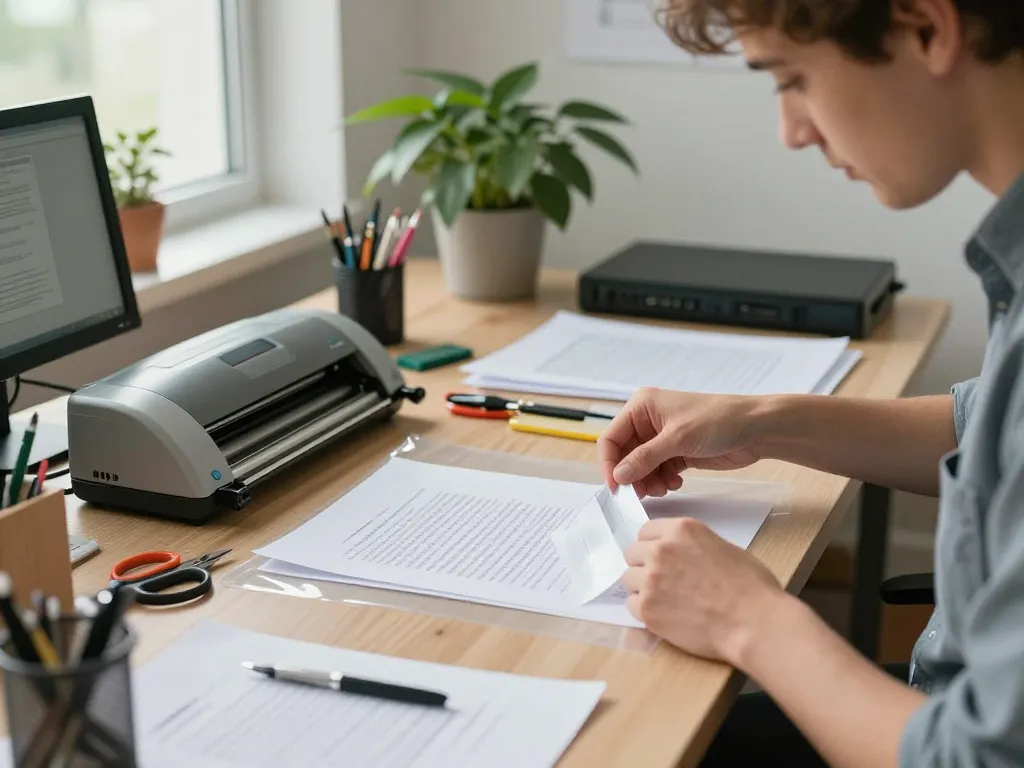
Successful bóc lớp ép plastic often requires the right set of tools. Here are some basic tools you may need:
- Heat Gun or Hair Dryer
- Lifting Tools (e.g., thin plastic spatula)
- Protective Gloves
- Cleaning Cloths
- Chemical Adhesive Removers
Recommended Materials for Safe Bóc Lớp Ép Plastic
In addition to tools, having the right materials on hand is essential. Recommended materials include:
- Adhesive Remover formulated for use with laminated documents
- Alcohol wipes or sprays for cleaning residue post-removal
- Protective covers to prevent dust during the process
Commonly Used Chemicals in the Process
Several chemical agents are effective in breaking down the adhesive without damaging the document. Commonly used chemicals include:
- Acetone
- Isopropyl Alcohol
- Commercial Adhesive Removers
Always verify that the chosen chemical is suitable for use on paper products to avoid adverse reactions.
Future Trends in Document Preservation and Bóc Lớp Ép Plastic
Technological Innovations in Document Preservation
As the field of document preservation continues to evolve, several technological advancements are emerging. Innovations such as advanced holographic lamination and bio-based adhesives are being developed to provide enhanced protection while ensuring safer removal options in the future.
Emerging Techniques for Enhanced Safety
New techniques that focus on minimizing the risk associated with bóc lớp ép plastic are being developed. For instance, the application of heat-free chemical removal methods is gaining traction as a safer alternative, significantly decreasing the likelihood of document damage during the removal process.
Expert Predictions for Document Protection in 2026
By 2026, it is expected that advancements in smart materials will allow for documents that can easily self-heal small tears or wear. This could revolutionize the way documents are preserved and maintained, reducing the need for physical bóc lớp ép plastic. Additionally, innovations in digital preservation will continue to complement traditional methods, ensuring that documents are not only preserved physically but also digitally with greater ease.
What are the best practices for bóc lớp ép plastic?
Best practices include using appropriate tools, avoiding excessive force or heat, and testing methods on small areas first.
Can bóc lớp ép plastic damage my documents?
Yes, if done incorrectly, it can lead to fading, tearing, or loss of printed materials.
What tools do I need for safe bóc lớp ép plastic?
Basic tools include a heat source, lifting tools, and protective gloves.
How to ensure my documents remain intact during the process?
Implement preventive measures such as temperature controls and gentle handling techniques.
What innovations should I expect in document preservation?
Expect advancements in adhesive technology and smart materials that will enhance the efficiency and effectiveness of document preservation.