
Early Detection Health Screening: A Proactive Approach to Wellness
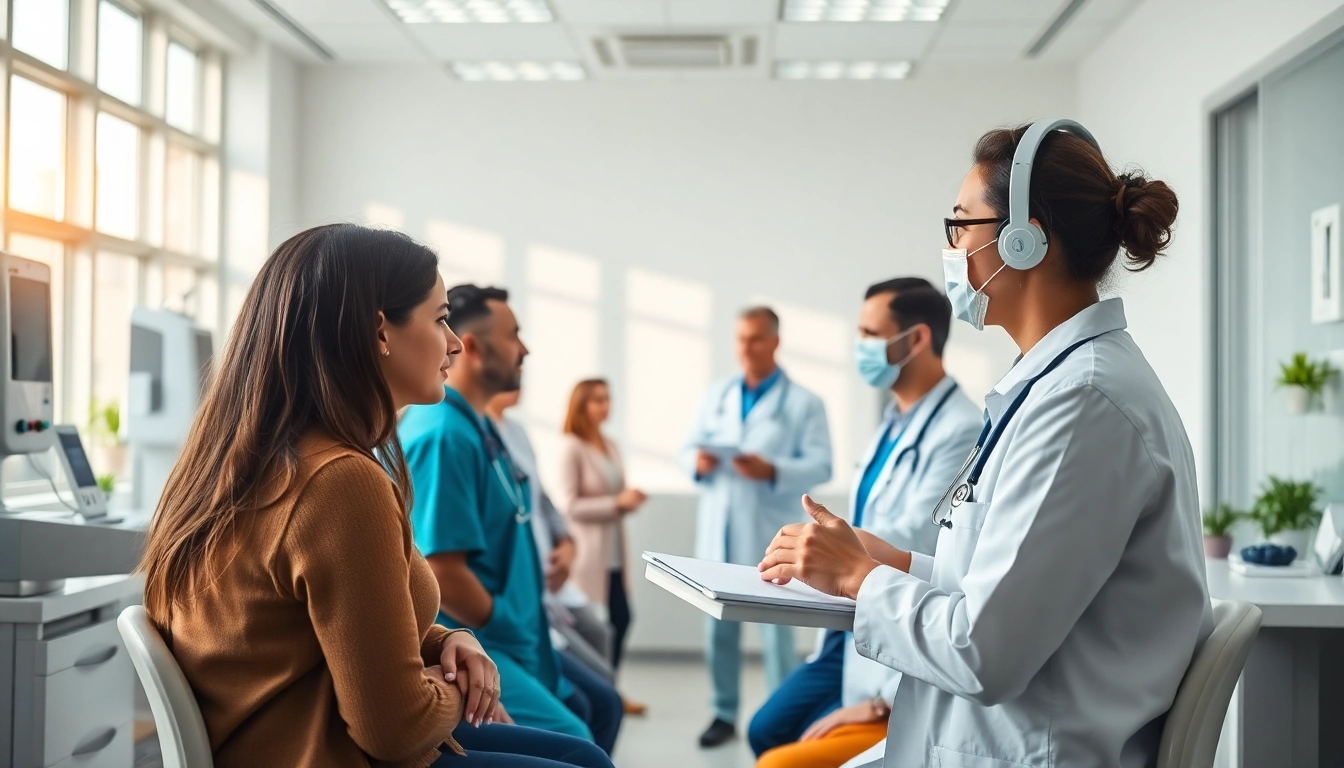
Understanding Early Detection Health Screening
What is Early Detection Health Screening?
Early detection health screening refers to medical tests and evaluations administered to identify health conditions before symptoms appear. These screenings vary depending on age, gender, and risk factors, encompassing a wide range of tests, including blood tests, imaging studies, and physical examinations. By detecting diseases at an early stage, healthcare providers can implement treatment sooner, leading to better health outcomes. For those looking to understand more about these vital practices, early detection health screening serves as a crucial centerpiece in healthcare strategies aimed at preventive care.
The Importance of Early Detection
The significance of early detection cannot be overstated. Identifying health issues before they develop into severe problems can mean the difference between successful treatment and a long-term struggle with disease. Conditions such as cancer, diabetes, and heart disease, when caught early, often require less aggressive treatments and improve the chances of survival. Additionally, early detection plays a critical role in reducing the overall cost burden on healthcare systems by minimizing the need for extensive interventions.
Common Types of Health Screenings
Health screenings encompass a variety of tests tailored to assess specific health risks. Some common types include:
- Blood Pressure Checks: Essential for diagnosing hypertension.
- Cholesterol Tests: Helps evaluate heart disease risk.
- Cancer Screenings: Mammograms for breast cancer, Pap smears for cervical cancer, and colonoscopies for colorectal cancer.
- Diabetes Tests: Fasting blood sugar and HbA1c tests to monitor glucose levels.
- Vision and Hearing Tests: Essential for assessing sensory impairments.
Benefits of Early Detection Health Screening
Health Risks Mitigated by Screenings
Detecting health issues early can significantly reduce health risks. Screenings can uncover conditions such as high cholesterol, which can lead to cardiovascular disease, or elevated blood sugar levels that may indicate prediabetes. By addressing these issues proactively, individuals can adapt their lifestyles, adhere to treatment plans, and enhance their overall well-being.
Improving Patient Outcomes
The benefits of early detection health screening extend beyond merely identifying health issues. Patients often experience improved outcomes, including reduced hospital stays and lower mortality rates. For instance, early-stage cancers typically offer a greater chance of effective treatment, allowing patients to continue leading normal lives. Enhanced patient education and empowerment are additional advantages, enabling individuals to take informed actions regarding their health.
Cost-Effectiveness of Preventive Care
Preventive care, including early detection screenings, proves to be cost-effective in the long term. By identifying conditions early, the expenses associated with advanced treatments, emergency interventions, and chronic disease management are significantly reduced. According to various studies, healthcare systems that prioritize preventive measures ultimately save funds by lowering the incidence of severe health issues.
How to Prepare for Your Health Screening
Pre-Screening Checklist
Preparation for health screenings can enhance the accuracy of results. Consider the following checklist:
- Review any medications with your healthcare provider to ascertain if you need to avoid them before tests.
- Maintain a healthy diet leading up to the screening.
- Stay hydrated unless instructed otherwise.
- Gather necessary documents such as insurance cards and identification.
- Follow any specific instructions related to the type of screening you will undergo (e.g., fasting for blood tests).
FAQs About Health Screenings
What is the recommended frequency for health screenings?
The frequency of health screenings varies based on age, risk factors, and specific health conditions. Generally, adults should consult their healthcare provider for personalized recommendations based on their health profile.
Are there any risks associated with health screenings?
Generally, health screenings are safe; however, some tests may carry risks, such as radiation exposure from imaging. It’s essential to discuss potential risks with your healthcare provider.
What should I bring on the day of my health screening?
Bring identification, insurance information, and a list of medications you are currently taking. Additionally, consider bringing any previous medical records related to the screening.
Can I eat before blood tests?
It depends on the type of blood test. For some tests, fasting may be required, while others do not require any dietary restrictions. Always follow your doctor’s instructions.
What happens if my screening results are abnormal?
Abnormal results do not automatically signify a problem. They typically prompt further testing, discussions with a healthcare professional, and potential follow-up actions to understand the cause.
What to Expect on Screening Day
On the day of your screening, arrive punctually and prepare to provide necessary information to the healthcare staff. You may undergo various tests in a specific order, and while some screenings might be quick, others could require a longer time for analysis. Always communicate openly with the staff about any concerns you may have.
Interpreting Screening Results
Understanding Your Results
Once you receive your screening results, it is vital to comprehend what they indicate. Results are usually categorized as normal, abnormal, or inconclusive. Normal means your results fall within the expected range; abnormal could point to potential health issues, and inconclusive indicates the need for further testing. Healthcare providers can offer clarity regarding your specific results and their implications.
Next Steps After Screening
After receiving your results, it is essential to discuss the next steps with your healthcare professional. This may involve lifestyle changes, additional testing, or referrals to specialists. Maintaining an open line of communication with your provider can facilitate better health management and informed decision-making.
Consulting Healthcare Professionals
Your healthcare provider plays a crucial role in guiding you through the scenario following your screening results. Whether your results are normal or indicate areas of concern, professionals can provide tailored advice and help you navigate potential treatment plans or preventive measures effectively.
Future Trends in Early Detection Health Screening
Innovative Technologies in Screening
Technological advancements are shaping the landscape of early detection health screening. Innovations such as wearable health devices, remote monitoring applications, and advanced imaging techniques allow individuals to engage in proactive health management. These technologies facilitate continuous health tracking, which is essential for identifying health risks early.
Expanding Accessibility to Screenings
Broadening access to health screenings is a critical trend in promoting public health. Initiatives aimed at providing mobile screening units, community health fairs, and partnerships with local organizations help ensure that screenings reach underserved populations, significantly improving overall health literacy.
The Role of AI in Health Monitoring
Artificial Intelligence (AI) is revolutionizing health monitoring and screening processes. AI algorithms can analyze vast amounts of patient data to identify patterns, enhancing prediction and preventive models. These technologies will play an increasingly significant role in personalizing healthcare and refining early detection strategies.