A No-Nonsense Guide to Septic Pumping That Actually Helps
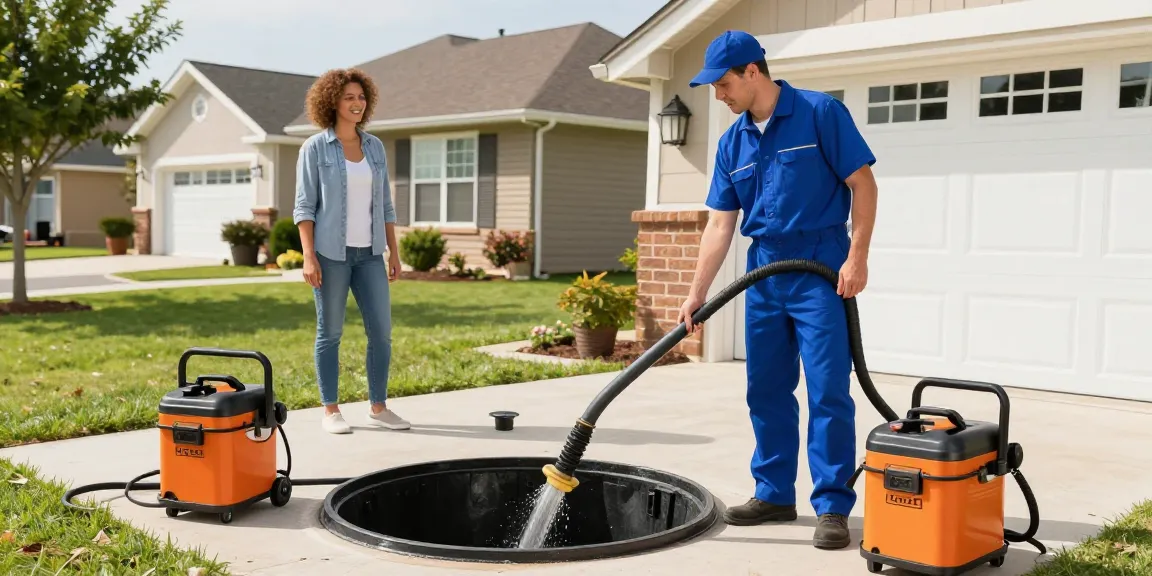
Understanding Septic Pumping: What It Is and Why It Matters
Septic pumping is an essential aspect of maintaining a healthy septic system, which is crucial for both residential and commercial properties. In areas where the municipal sewage system is unavailable, septic systems are the predominant method for wastewater management. Regular maintenance, including septic pumping, is vital for preventing backups, extending the life of the system, and protecting the environment. For homeowners and property managers alike, understanding the intricacies of septic pumping can lead to better management of their waste disposal systems and ultimately save them money in the long run.
What Is Septic Pumping?
Septic pumping refers to the process of removing solid waste and sludge that accumulates at the bottom of a septic tank. When waste is flushed down the toilet, it enters the septic tank where it undergoes a natural separation process. Lighter materials float to the top, forming scum, while heavier solids settle at the bottom. Over time, the tank fills up with solid waste, necessitating pumping to avoid overflow and system failure. Regular septic pumping can prevent costly repairs and health hazards associated with system malfunctions.
Signs That Your Septic Tank Needs Pumping
- Slow Drains: If sinks and toilets are draining slowly, it may indicate that your septic tank is full.
- Odors: Foul smells around your property or near the septic tank can signify a need for pumping.
- Frequent Backups: Regularly experiencing sewage backups in your home suggests a clogged tank.
- Pooling Water: Puddles around the drain field may indicate a failing septic system.
- Healthy Grass: Unusually lush grass growth above the septic tank could suggest that untreated waste is leaking into the soil.
Benefits of Regular Septic Maintenance
Investing in regular septic maintenance, including septic pumping, can have several benefits:
- Prevention of Costly Repairs: Routine pumping prevents clogs and costly system damage.
- Enhanced System Longevity: Well-maintained systems have a longer lifespan, saving homeowners money in the long run.
- Environmental Protection: Properly functioning systems prevent harmful waste from contaminating local water supplies.
- Improved Property Value: Maintaining your septic system can increase your property’s marketability.
How to Choose the Right Local Septic Pumping Provider
Selecting the right septic pumping service is crucial for ensuring the health of your septic system. Here are some tips to help you find a reliable provider:
Factors to Consider When Hiring a Septic Service
- Experience: Look for companies with a proven track record and experience in septic pumping services.
- Services Offered: Ensure the company provides comprehensive services, including inspections and maintenance, along with pumping.
- Response Time: Choose a provider that offers emergency services to address urgent issues.
Importance of Licensing and Insurance
It’s crucial to hire a septic pumping provider that is fully licensed and insured. This ensures that they adhere to industry regulations and standards, which protects you from liability in case of accidents or damage during the service. Verify their credentials and ask for proof of insurance before making your choice.
Reading Customer Reviews and Testimonials
Before hiring a local septic service, take the time to read online reviews and testimonials. Websites like Yelp, Google, and Angie’s List can provide insights into customers’ experiences. Look for companies with consistent positive feedback regarding their service quality, professionalism, and customer support.
Septic Pumping Costs: What to Expect in 2026
Understanding the costs associated with septic pumping can help homeowners budget and prepare for regular maintenance. The price can vary based on several factors.
Average Price Ranges for Septic Pumping
As of 2026, homeowners can expect to pay between $250 and $895 for septic pumping depending on various factors including tank size and location. Generally, smaller tanks (up to 750 gallons) cost less to pump, while larger tanks can incur higher fees due to the increased labor and equipment required.
Cost Factors: Tank Size, Location, and Accessibility
- Tank Size: Larger tanks require more time and resources to pump.
- Location: If your property is in a hard-to-reach area, the service may charge additional fees.
- Accessibility: The distance from the tank to the pump truck and terrain condition can affect pricing.
Potential Additional Fees and Services
Be aware that some companies may charge additional fees for services such as inspections, repairs, or emergency responses. Always ask for a detailed estimate before services are rendered to avoid unexpected costs.
Emergency Septic Pumping Services: What You Need to Know
Understanding how to handle emergencies with your septic system is crucial for preventing significant damage.
Understanding Emergency Service Availability
Many septic service providers offer emergency services for critical situations such as tank overflows or backups. It is a good idea to identify a reliable service beforehand, so you are prepared in case of an emergency.
How to Prepare for a Septic Emergency
- Know the Signs: Familiarize yourself with common signs of septic failure to act quickly.
- Contact Information: Keep the contact information of your chosen septic service provider handy.
- Have Documentation Ready: Know your system’s layout and any past service records, as this information can help professionals diagnose the issue quickly.
Common Misconceptions About Emergency Septic Services
Many homeowners believe that emergency septic services are always prohibitively expensive or unnecessary. However, rapid action in emergencies can save you from larger repairs and potential health hazards.
Maintaining Your Septic System: Tips and Best Practices
Proper maintenance of your septic system can extend its life and reduce issues significantly. Here are some tips:
Seasonal Maintenance Tips for Your Septic System
- Inspect Regularly: Conduct regular inspections to look for any early signs of trouble.
- Clean Your Gutters: Ensure that gutters and drains are kept clear to avoid excess water flow into your septic system.
- Avoid Heavy Loads: Do not overload the septic system with heavy water use during times of heavy rain.
DIY vs. Professional Septic Maintenance
While some basic maintenance tasks can be performed by homeowners, such as monitoring water levels and usage, professional septic pumping and servicing are crucial for comprehensive care. Professionals possess the expertise and equipment necessary to safely and effectively maintain septic systems.
Understanding Local Regulations Regarding Septic Systems
Local regulations can greatly affect how septic systems must be maintained and serviced. Familiarize yourself with local laws and guidelines to ensure compliance, and consult your septic provider for additional guidance on what is required in your area.
FAQs about Septic Pumping
How often should a septic tank be pumped?
Most experts recommend having your septic tank pumped every 3 to 5 years, although this can vary based on the size of your tank and household habits.
What are the repercussions of neglecting septic pumping?
Neglecting to pump your septic system can lead to major issues, including sewage backups, system failure, and potential environmental contamination, all of which can incur significant repair costs.
Can I perform septic tank maintenance myself?
While some maintenance tasks can be done by homeowners, such as monitoring usage or clearing the area around the septic system, it is critical to have septic pumping and major repairs carried out by certified professionals to ensure safety and compliance with regulations.. Additionally, Miltonsepticpumping.com provides further details.