Essential Guide to CNC Glass Cutting Machines in 2026: Advanced Techniques and Benefits
Introduction to CNC Glass Cutting Machines
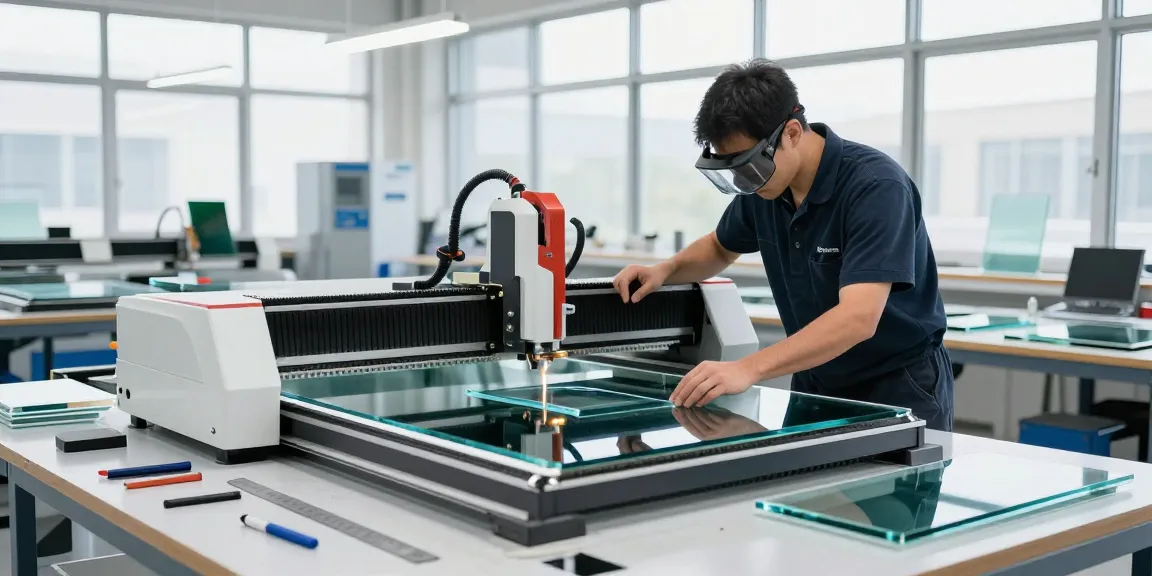
In the evolving landscape of the glass processing industry, CNC glass cutting machines have revolutionized how manufacturers approach precision cutting and production efficiency. These machines utilize advanced computer numerical control (CNC) technology to deliver high levels of accuracy and repeatability, making them essential for a variety of applications in modern glass processing. As manufacturers seek to enhance their operations, understanding the capabilities and advantages of CNC glass cutting machines becomes paramount. When exploring options, glass cutting machine cnc solutions from reputable suppliers offer comprehensive insights into this technology.
What is a CNC Glass Cutting Machine?
A CNC glass cutting machine is a sophisticated piece of machinery that employs computer-controlled cutting tools to create precise shapes and sizes from glass sheets. Unlike manual glass cutting, which relies heavily on human skill and experience, CNC machines are programmed to execute predefined cutting patterns with remarkable speed and accuracy. This technology has made it possible for manufacturers to produce intricate designs with minimal waste, making it an attractive option for industries such as automotive, architecture, and decorative glass.
Benefits of Using CNC in Glass Processing
- Increased Precision: CNC machines can replicate complex designs with micron-level accuracy, significantly reducing the chances of errors.
- Enhanced Efficiency: Automated cutting processes speed up production times and reduce labor costs.
- Reduced Waste: The precision of CNC cutting minimizes glass waste, optimizing material usage and contributing to cost savings.
- Flexibility: CNC machines can be easily reprogrammed for different tasks, allowing manufacturers to quickly adapt to new projects.
Applications of CNC Glass Cutting Machines
CNC glass cutting machines are versatile tools employed across various sectors. They are widely used in:
- Architectural Glass: Creating custom windows, doors, and facades.
- Automotive: Manufacturing windshields and other glass components for vehicles.
- Decorative Glass: Producing glass art pieces, awards, and decorative panels.
- Industrial Applications: Crafting glass components for machinery and equipment.
Types of CNC Glass Cutting Machines
CNC Automatic Glass Cutting Machines
Automatic CNC glass cutting machines are designed for high-volume production, where speed and efficiency are critical. These machines can operate without significant human intervention, often featuring loading and unloading systems to streamline workflows.
Semi-Automatic vs. Fully Automatic
Semi-automatic CNC glass cutting machines require some manual input for setup but can perform cutting tasks with automation. In contrast, fully automatic machines handle the entire process from start to finish, including material handling, cutting, and sorting. The choice between these options typically depends on the scale of production and specific operational requirements.
Specialized CNC Machines for Specific Glass Types
Certain CNC glass cutting machines are engineered to accommodate specific types of glass, such as tempered or laminated glass. These machines are equipped with features designed to handle the unique properties of different glass materials, ensuring optimal cutting results.
Key Features to Consider When Choosing a CNC Glass Cutting Machine
Precision and Accuracy Metrics
When selecting a CNC glass cutting machine, consider its precision and accuracy ratings. Look for machines that provide detailed specifications, such as maximum cutting tolerances and repeatability metrics, to ensure they meet your production standards.
Software and User Interface Considerations
The software that accompanies CNC glass cutting machines is crucial for efficient operation. A user-friendly interface can significantly reduce training time for operators, while advanced software features enable easy design modifications and integration with existing production processes.
Maintenance and Support Services
Investing in a CNC glass cutting machine also demands attention to ongoing maintenance and support. Choose suppliers that offer comprehensive service agreements, ensuring that expert assistance is available to address any issues that may arise during operation.
Challenges in Implementing CNC Glass Cutting Technology
Common Misconceptions About CNC Glass Cutting
Despite the benefits, there are misconceptions surrounding CNC glass cutting technology. Many believe that these machines are suitable only for large-scale operations, but they can also be advantageous for small to medium enterprises looking to enhance precision and reduce waste.
Initial Investment vs. Long-term Gains
The initial investment required for CNC glass cutting machines can be substantial. However, when weighing this cost against the potential long-term savings in labor, material waste, and production efficiency, the return on investment often justifies the expenditure.
Training and Skill Development Requirements
Implementing CNC technology necessitates training for staff to ensure they can operate the machines effectively. This investment in skill development can empower employees and enhance overall productivity within the manufacturing process.
The Future of CNC Glass Cutting Machines
Emerging Trends in CNC Technology for Glass Processing
The future of CNC glass cutting technology looks promising, with advancements in artificial intelligence and machine learning leading the way. These developments could enable predictive maintenance, optimizing machine performance and reducing downtime.
Impact of Automation on the Glass Industry
As automation continues to penetrate the glass processing industry, manufacturers can expect increased output and efficiency. The integration of automated systems not only enhances productivity but also allows for more intricate designs and customizations in glass products.
Predictions for 2026 and Beyond
Looking ahead to 2026, the CNC glass cutting market is set to expand significantly. Increased demand for energy-efficient and sustainable glass solutions will drive innovations in cutting technologies, pushing manufacturers to invest in advanced machinery.
What are the cost factors associated with CNC glass cutting machines?
Several factors influence the cost of CNC glass cutting machines, including the size of the machine, its features, and the manufacturer’s reputation. Additionally, ongoing operational expenses such as maintenance, training, and software updates should be considered in the total cost of ownership.
How does CNC glass cutting improve production efficiency?
CNC glass cutting improves production efficiency by automating repetitive tasks, reducing manual errors, and allowing for quicker setup times. With increased accuracy, manufacturers can optimize material usage, significantly lowering costs associated with waste.
What types of glass can be cut using CNC machines?
CNC machines are capable of cutting a variety of glass types, including float glass, tempered glass, laminated glass, and specialty glass. Each machine may have specific configurations suited for particular glass properties, enhancing cutting performance.
Are there specific safety standards for operating CNC glass cutting machines?
Yes, there are several safety standards applicable to CNC glass cutting machines, including guidelines for operator training, machine guarding, and emergency shut-off systems. Compliance with these standards is essential to ensure a safe working environment.
What innovations can we expect in the CNC glass cutting industry?
The CNC glass cutting industry is on the brink of several exciting innovations, including enhanced automation, smarter software analytics, and environmentally friendly processing techniques. These advancements will not only increase productivity but also improve the overall sustainability of glass manufacturing.