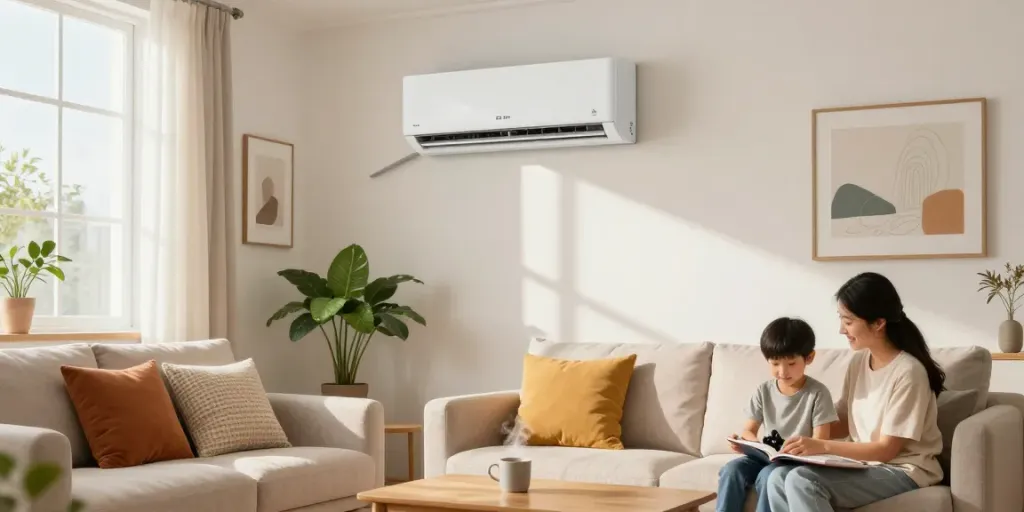
Understanding the 18k BTU Mini Split System
In the quest for efficient climate control, the 18k btu mini split system is gaining significant popularity among homeowners and businesses alike. These versatile heating and cooling units offer a convenient solution for temperature regulation in various home sizes and configurations. Understanding how they work and their benefits can help you make informed decisions about your climate control needs.
What is an 18k BTU Mini Split?
An 18k BTU mini split system is a ductless heating and cooling solution that operates using two main components: an indoor unit and an outdoor unit. The term "BTU" stands for British Thermal Units, which measures the system’s cooling or heating capacity. An 18k BTU mini split can efficiently cool or heat spaces up to approximately 1,000 square feet, making it ideal for larger rooms such as living rooms, sizable bedrooms, or open areas.
How Does an 18k BTU Mini Split Operate?
The operation of an 18k BTU mini split system involves the principles of refrigeration. The outdoor unit absorbs heat from the environment and transfers it to the indoor unit using refrigerant. In cooling mode, the system removes heat from the indoor air and releases it outside, while in heating mode, it reverses the process. This dual functionality helps maintain a comfortable indoor climate year-round.
Key Benefits of Using an 18k BTU Mini Split
- Energy Efficiency: Mini splits are known for their high energy efficiency compared to traditional HVAC systems.
- Flexible Installation: Their ductless nature means they can be installed in various configurations without extensive remodeling.
- Zone Control: Mini splits allow for zoning, meaning you can heat or cool specific areas of your home rather than the entire space.
- Low Noise Levels: Operating quietly, they provide climate control without the disruptive noise often associated with traditional systems.
- Improved Air Quality: The systems often include filters that improve indoor air quality by reducing allergens and pollutants.
Choosing the Right Mini Split for Your Space
Calculating the Ideal Square Footage Coverage
When selecting an 18k BTU mini split system, it’s essential to calculate the ideal coverage area. Generally, one ton of cooling is needed for every 600-800 square feet of space. Therefore, an 18k BTU system is effective for spaces ranging from 550 to 1,000 square feet, depending on insulation, window exposure, and climate.
Factors to Consider Before Purchasing
Before making a purchase, consider the following factors:
- Room Size: Ensure the system matches the room size it's intended to cool or heat.
- Energy Efficiency Rating: Look for units with a high SEER (Seasonal Energy Efficiency Ratio) for better energy use.
- Noise Levels: Check the decibel ratings for indoor and outdoor units to ensure they meet your noise tolerance.
- Installation Requirements: Understand the installation needs and whether you can DIY or need professional help.
- Brand Reputation: Research different brands to find reliable and well-reviewed models.
Comparing Brands: Which 18k BTU Mini Split is Best?
Several reputable brands manufacture 18k BTU mini split systems. Each offers unique features, warranty options, and pricing. Brands like Mitsubishi, Daikin, and Fujitsu are popular for their reliability and performance. However, new entrants such as Hykolity and MRCOOL are also gaining traction due to their competitive pricing and features. Conduct thorough research on these brands and read customer reviews to select the best unit for your needs.
Installation Tips and Best Practices
DIY Installation vs. Hiring a Professional
While many homeowners consider DIY installation for mini splits, it is crucial to weigh the pros and cons. DIY can save you money, but improper installation can lead to system inefficiency and voided warranties. Hiring a professional ensures the unit is optimally placed and installed according to local codes and manufacturer specifications.
Common Installation Mistakes to Avoid
- Incorrect Sizing: Installing a unit that is too small or too large can lead to inefficiency and inadequate temperature control.
- Poor Placement: The outdoor unit should be located in a shaded area with good airflow; indoor units must be positioned for optimal air distribution.
- Ignoring Electrical Requirements: Ensure the electrical specifications meet the system requirements to avoid safety hazards.
Step-by-Step Guide to Installing Your Mini Split
- Choose the right location for both indoor and outdoor units.
- Install mounting brackets for the indoor unit.
- Run refrigerant lines and electrical wiring between the indoor and outdoor units.
- Mount the indoor unit on the brackets securely.
- Install the outdoor unit on a stable surface, ensuring it's level.
- Connect the refrigerant lines and electrical connections.
- Check for leaks and test the system before closing up walls or other coverings.
Maintenance and Troubleshooting
Regular Maintenance Tips for Longevity
To maximize the lifespan of your 18k BTU mini split, regular maintenance is crucial. Here are some tips:
- Clean or replace air filters every 1-3 months.
- Keep the outdoor unit free of debris and obstructions to allow for adequate airflow.
- Schedule annual professional inspections to identify potential problems early.
Common Issues and Simple Fixes
Some common issues with mini splits include:
- Warm Air Blowing: Check the thermostat settings and ensure the filters are clean.
- System Not Turning On: Inspect the power supply and circuit breakers to ensure they're functioning.
- Unusual Noises: Noises may indicate loose components. Inspect and tighten any loose parts.
When to Call a Professional for Repairs
If you encounter persistent issues or if the system shows signs of refrigerant leaks, it’s best to call a professional. Professional technicians can diagnose complex problems and make repairs safely and effectively.
Future Trends in Mini Split Technology
Innovative Features to Look for in 2026
The mini split market is evolving with advancements in technology. Look for features such as:
- Smart Technology: More units are now incorporating smart home technology, allowing for remote access and control via smartphones.
- Enhanced Energy Efficiency: Manufacturers are focusing on higher SEER ratings to meet stringent energy efficiency standards.
- Multi-Zone Capability: Advanced systems can control multiple zones from a single outdoor unit, increasing flexibility for homeowners.
The Impact of Energy Efficiency Standards
As regulations become more stringent, the importance of energy efficiency in mini split designs will continue to grow. This impacts not only the operational costs for homeowners but also the environmental impact, as manufacturers strive to produce greener systems.
Smart Mini Split Systems: The Future of Home Climate Control
Smart mini splits are leading the charge towards integrated home climate control solutions. These systems can learn user preferences and optimize energy use accordingly, providing both comfort and efficiency. Expect to see more innovations in this area, making home climate management easier and more efficient than ever.
How many sq ft will an 18k BTU mini split cool?
An 18k BTU mini split typically cools spaces between 550 and 1,000 square feet efficiently, depending on the room’s insulation and exposure.
What is the cheapest 18,000 BTU mini split air conditioner?
Prices for 18k BTU mini split air conditioners vary widely based on brand, efficiency ratings, and features. Researching various models and customer reviews will help identify budget-friendly options.
How much does an 18k BTU mini split cover?
Generally, an 18,000 BTU unit can cover approximately 550 to 1,000 square feet, but exact coverage depends on factors like insulation and local climate.
How much does an 18,000 BTU mini split cost to run?
The running cost of an 18k BTU mini split varies based on local energy rates and usage frequency. Typically, energy-efficient units provide lower operating costs compared to conventional systems.
What installation considerations should I keep in mind?
Factors such as location, size, and installation type (DIY vs. professional) play a critical role in the success of your mini split installation. It's essential to plan accordingly to avoid potential pitfalls.