
How to Adapt Learn Color Correction and Cinematic Grading Strategies for 2026
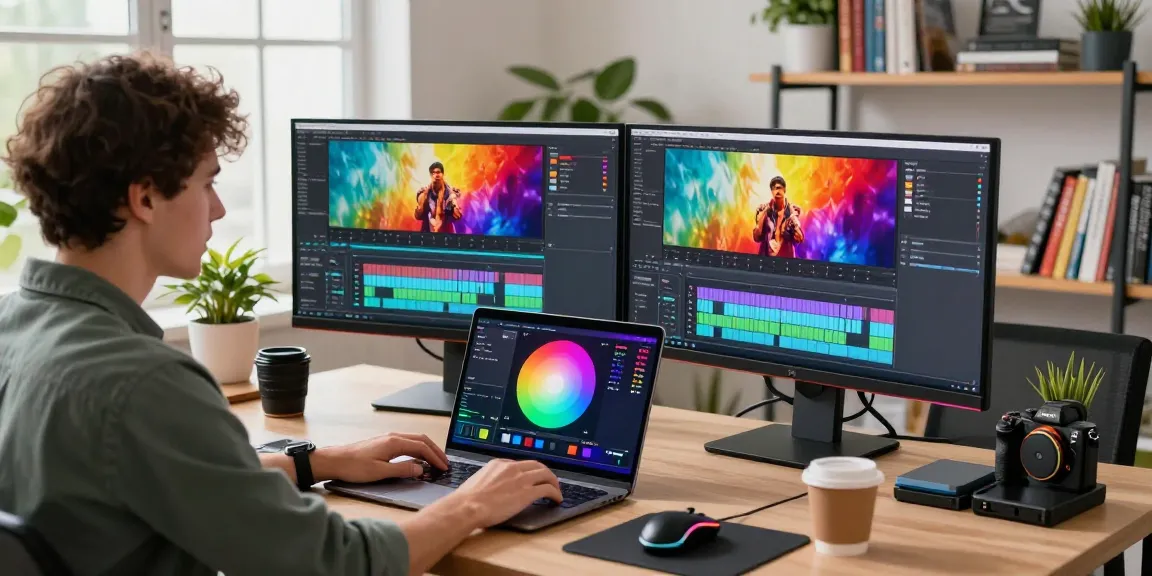
Understanding Color Correction and Grading
Color correction and grading are pivotal components in modern video production, shaping how audiences perceive a story through visual storytelling. As video content continues to dominate the digital landscape, the demand for high-quality visuals has never been more critical. Whether you’re a content creator looking to enhance your craft, or a business aiming to captivate your audience, mastering these techniques is essential. To embark on this journey, Learn color correction and cinematic grading to elevate the quality of your video productions.
What is Color Correction?
Color correction involves adjusting the colors in your footage to ensure consistency and accuracy across different lighting conditions and cameras used. This process typically includes correcting exposure, adjusting white balance, and fixing any color casts that may distort the intended look of the video. By applying these corrections, video editors can create a uniform visual style that maintains the integrity of the original footage.
Difference Between Corrections and Grading
While color correction focuses primarily on restoring the original look of the footage, color grading is where the creativity shines. Grading involves applying artistic effects to enhance the visual storytelling process. This might include changing the mood of a scene with specific color palettes or using filters to create a cinematic look. Understanding the distinction between these two processes is crucial for achieving a professional result in your video projects.
Importance of Color Control in Video Production
Control over color is essential for several reasons. Firstly, it helps in conveying emotions; for instance, warmer tones can evoke feelings of comfort, while cooler tones can create a sense of isolation. Secondly, color control ensures that the story you are telling is coherent and visually appealing. Lastly, in a competitive market where video consumption is prevalent, high-quality color work can differentiate your content from others, effectively grabbing your viewers’ attention.
Essential Tools for Color Correction
Top Software for Color Grading in 2026
The choice of software can significantly impact your color correction and grading workflow. Popular tools such as Adobe Premiere Pro, DaVinci Resolve, and Final Cut Pro have advanced features tailored for both beginners and experienced professionals. In 2026, newer software platforms are expected to offer enhanced AI-driven capabilities, making color grading more intuitive and accessible.
Hardware Considerations for Professional Color Correction
In addition to software, the right hardware is vital for an effective color grading workflow. High-quality monitors with accurate color reproduction are essential for visual consistency. Likewise, investing in a powerful GPU will ensure that rendering and processing times are minimized, allowing for a smoother editing experience. Furthermore, calibration tools should be utilized to maintain monitor accuracy regularly.
Setting Up Your Workspace for Success
A well-organized workspace can enhance your productivity significantly. Make sure your editing station is ergonomically friendly, with easy access to all your tools. Use ambient lighting that minimizes glare on your monitor, and consider soundproofing your space if you’re working with audio as well. An optimal setup not only promotes creativity but also supports efficient workflow processes.
Fundamentals of Color Theory
Key Color Theory Principles for Cinematic Effects
Understanding basic principles of color theory is crucial for effective grading. Primary colors (red, blue, yellow) and their combinations create secondary colors, and their interactions can lead to specific emotional responses. For instance, complementary colors can generate vibrant contrasts, while analogous colors create harmony. Knowledge of these principles enables filmmakers to make informed decisions when grading their footage.
Color Grading Techniques for Different Genres
Different video genres often require distinct color grading approaches. For example, a horror film might utilize desaturated tones with high contrast to evoke feelings of dread, while a romantic comedy might benefit from warmer tones that enhance feelings of joy and comfort. Recognizing these genre-specific requirements can significantly impact the effectiveness of your visual storytelling.
How to Create Mood Using Color
Creating mood through color involves strategic choices that align with the narrative’s emotional arcs. Techniques such as using color palettes, contrasts, and gradients play a significant role in mood setting. Experimenting with different looks can lead to unique visual storytelling that resonates with your audience.
Practical Application of Color Techniques
Step-by-Step Color Correction Workflow
A structured workflow is essential for effective color correction. Begin by importing and organizing your footage. Next, conduct a preliminary assessment to identify correction needs. Utilize software tools to adjust exposure, contrast, and color balance, followed by applying any necessary grading to enhance visual storytelling. This systematic approach helps maintain consistency and effectiveness in your projects.
Common Challenges in Color Grading and Solutions
Color grading presents several challenges, such as achieving a consistent look across different shots or dealing with noise and unwanted artifacts. A common solution is to use adjustment layers and masking to isolate corrections to specific areas. Regularly calibrating your monitor also helps ensure that your grading decisions translate well across different displays.
Case Studies: Successful Color Grading in Films
Analyzing successful film grading can provide invaluable insights. For instance, movies like “Mad Max: Fury Road” use a vibrant color palette to enhance action scenes, while “The Revenant” employs a muted palette to create a stark, cold atmosphere. Evaluating these examples allows upcoming filmmakers to draw inspiration and understand the practical application of grading techniques in real-world scenarios.
Future Trends in Color Grading
Emerging Technologies Impacting Color Correction
The landscape of color correction is constantly evolving, particularly with the integration of machine learning and AI technologies. These innovations streamline workflows by automating repetitive tasks, providing suggestions based on patterns in footage, and even learning user preferences over time. Keeping abreast of these trends can provide significant advantages in maintaining a cutting-edge approach to color grading.
The Role of AI in Efficient Color Grading
AI’s role in color grading is set to grow, with tools that analyze footage and provide automatic corrections tailored to the desired style. This technology not only saves time but also opens up opportunities for less experienced editors to achieve professional-quality results. Understanding how to leverage AI tools effectively will be crucial for future professionals in the video editing field.
Preparing for New Skills and Techniques in 2026
As the industry continues to advance, staying updated on new skills and techniques is essential. Continuous learning through courses, workshops, and hands-on projects can help video editors stay ahead of the curve. By investing in education, professionals can better adapt to trends, ensuring their skill sets remain relevant in an increasingly competitive market.