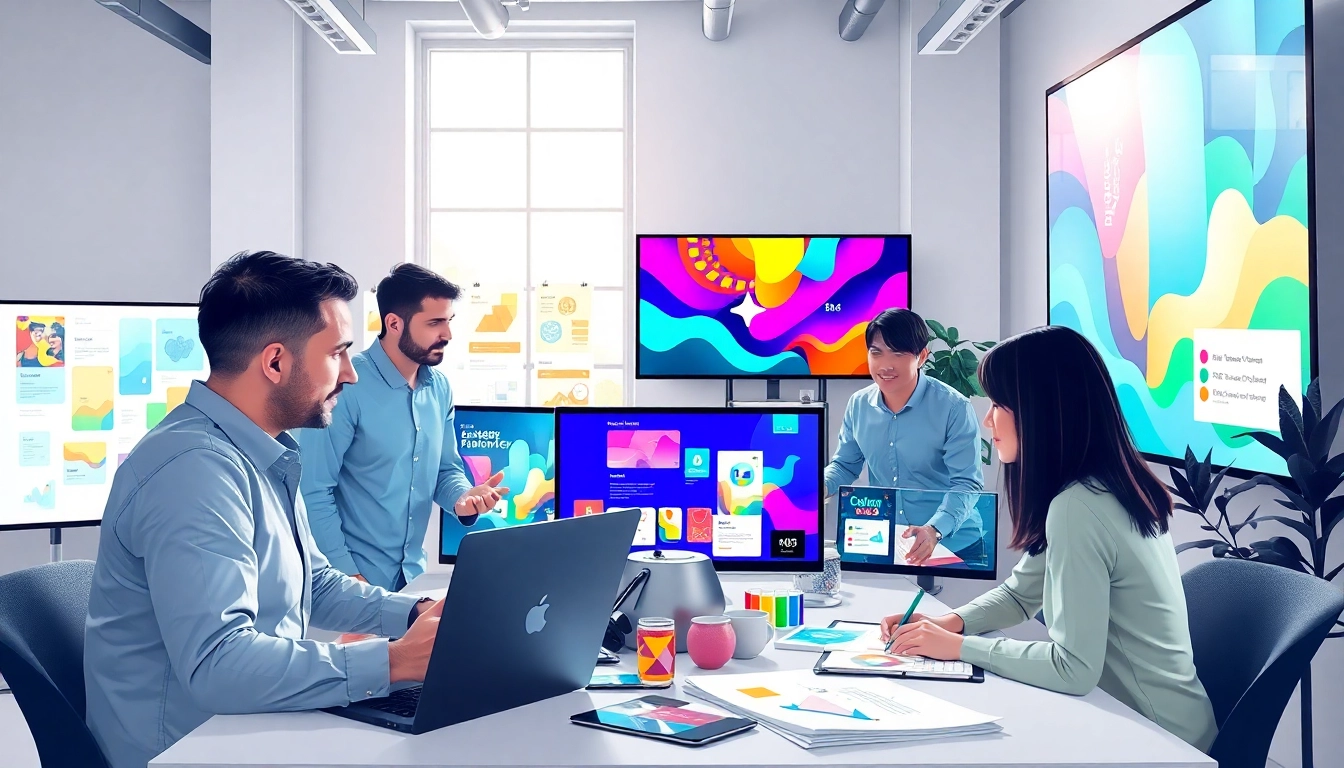
Innovative Strategies for Successful Design Teams at https://bestdesignersintheworld.com/
Understanding the Role of Design in Business
Design is not merely about aesthetics; it’s a crucial business strategy that influences brand perception, user engagement, and ultimately drives sales. Companies that prioritize strong design understand its multifaceted role in their overall business strategy. From engaging visuals to intuitive user experiences, effective design can set a brand apart in a crowded marketplace, which is why dedicating resources to understanding and improving design is vital. For further insights into design excellence, resources like https://bestdesignersintheworld.com/ can be invaluable.
The Importance of Aesthetic Value
Aesthetic value in design goes beyond mere appearance. It involves creating a visual language that resonates with the target audience. Research shows that consumers are more likely to engage with visually appealing designs. This is because the human brain processes images 60,000 times faster than text. The importance of aesthetic value lies in its ability to capture attention quickly, making it essential for websites, product packaging, and marketing materials.
Moreover, a strong aesthetic can evoke emotions, establish trust, and enhance branding efforts. Consistent and pleasing designs help in retaining customers, as they provide a familiar and enjoyable experience. Brands that fail to pay attention to their aesthetic values risk being perceived as untrustworthy or out-of-touch.
How Design Influences Brand Identity
Brand identity is the visual representation and personality of a brand. Design plays a crucial role in forming a brand identity through elements such as logos, color schemes, typography, and imagery. These elements together create a unique and recognizable personality that helps establish a brand’s values and mission in the minds of consumers.
For example, the use of color psychology in design can evoke specific emotions and associations. Blue is often seen as trustworthy, making it a popular choice for financial institutions, while green is related to health and tranquility, appealing to eco-friendly brands. Effective design conveys what a brand stands for, helping to foster customer loyalty and differentiation in a saturated market.
Metrics of Successful Design Integration
Measuring the success of design integration involves various metrics that provide insight into how design impacts business goals. Key metrics include conversion rates, user engagement statistics, and customer satisfaction scores. A successful design should not only be visually pleasing but also facilitate improved user experience and efficiency.
Analytics tools can track user behavior, revealing which design elements engage users and which don’t. A/B testing is another effective way to assess design changes by comparing two versions of a design to see which performs better. By leveraging data, companies can continually refine their designs to enhance user experience and meet business objectives.
Building an Effective Design Team
Creating a successful design team requires thoughtful planning and consideration of various factors that contribute to both individual and team success. This involves selecting the right mix of skills and fostering a supportive environment that encourages creativity and collaboration.
Identifying Key Skills and Roles
To build an effective design team, it’s crucial to identify the essential roles and skill sets required for the team to thrive. Essential roles might include graphic designers, UX/UI designers, design strategists, and project managers. Each role contributes to the design process and has specific skills that benefit the overall team dynamic.
Moreover, skills such as problem-solving, creativity, and technical proficiency in design software are imperative. Additionally, a good design team should possess strong communication skills to facilitate cross-functional collaboration. Understanding these roles and their contributions can help in strategically assembling a team that delivers exceptional results.
Collaboration Techniques for Designers
Effective collaboration among designers is critical for ensuring that a project meets its goals. Techniques such as regular brainstorming sessions, online collaboration tools, and feedback loops help enhance communication and idea sharing within the team. Tools like Slack, Trello, or Figma can streamline workflows and provide a platform for real-time collaboration.
Additionally, establishing clear project goals and responsibilities can aid collaboration. Encouraging an open environment where each team member feels valued fosters creativity and innovation, leading to unique and effective design solutions.
Fostering a Creative Environment
A creative work environment promotes innovation and productivity among design teams. This can be achieved through an inspiring workspace layout that allows for flexibility and creativity. Whether it’s a casual lounge area for brainstorming or dedicated project rooms, creating spaces that encourage collaboration can lead to remarkable design outputs.
Moreover, promoting a culture of experimentation—where taking risks is encouraged—can lead to innovative ideas. Workshops, design challenges, or team retreats can also help stimulate creativity and strengthen team bonds. The goal is to ensure that team members feel motivated and supported in their creative pursuits.
Utilizing Technology in Design
The integration of technology has revolutionized the design world, offering designers powerful tools that enhance their capabilities. From graphic design software to collaboration platforms, technology plays a vital role in facilitating modern design processes.
Latest Tools for Graphic Designers
Graphic designers now have access to a plethora of tools that simplify complex design tasks. Software such as Adobe Creative Suite, Sketch, and Canva provide diverse functionalities, from vector graphics to photo editing and digital prototyping. These tools enable designers to bring their visions to life more efficiently.
Additionally, cloud-based platforms allow for easy sharing and collaboration, making it simpler for teams to work together regardless of their locations. Keeping abreast of advancements in design technology ensures that designers can leverage the best tools available for their projects.
Importance of Design Software Proficiency
Proficiency in design software is essential for designers to deliver high-quality work. Familiarity with tools such as Adobe Illustrator, Photoshop, InDesign, and various web design platforms can greatly enhance a designer’s efficiency and effectiveness. Ongoing training and skills development are crucial for staying current with software updates and new features.
This proficiency allows designers not only to create visually stunning designs but also to troubleshoot issues as they arise and iterate on ideas rapidly. Cultivating these skills within a design team can lead to consistently superior output and a more agile design process.
Remote Collaboration Technologies
As remote work becomes more prevalent, adopting effective collaboration technologies is crucial for design teams. Tools like Zoom for meetings, Miro for brainstorming sessions, and Slack for communication help maintain workflow and creativity across different locations.
Moreover, remote collaboration tools enable designers to share their work seamlessly and receive feedback in real-time, ensuring that everyone remains aligned with the project’s vision. Emphasizing the importance of leveraging these technologies can vastly improve team communication and project delivery timelines.
Trends Shaping the Future of Design
The design landscape is always evolving, influenced by technological advancements, cultural shifts, and consumer preferences. Staying updated on these trends is crucial for designers who aim to remain competitive and relevant in their practice.
Emerging Styles and Preferences
Emerging design styles often reflect societal changes and technological advancements. Minimalism continues to be popular, emphasizing simplicity and functionality. Additionally, bold typography and vibrant color palettes are making a comeback, allowing for greater expression and personality in design.
Understanding and adapting to these evolving styles enables designers to create work that resonates with contemporary audiences. Keeping an eye on design blogs, social media, and trend reports is essential for capturing these emerging preferences effectively.
Sustainability in Design Practices
As consumers become more environmentally conscious, sustainability in design practices is gaining traction. Integrating eco-friendly materials, reducing waste, and implementing sustainable practices throughout the design process are increasingly significant.
Designers are tasked not only with creating appealing visuals but also with considering their environmental impact. Brands that prioritize sustainability in their designs often find enhanced customer loyalty and differentiation in the market. Emphasizing sustainability can also attract niche markets that value eco-conscious choices.
Influence of Social Media on Design Trends
Social media platforms have become a vital influence on design trends. Visual-centric networks such as Instagram or Pinterest shape aesthetics and inspire designers by showcasing diverse styles and creative approaches. The immediacy of social media allows design trends to evolve rapidly, often influenced by viral content.
Designers must be agile, adapting their work to align with these trends while maintaining a unique identity. Engaging with social media can also provide designers with inspiration, community feedback, and opportunities for collaboration.
Measuring Success in Design Projects
The success of design projects can be quantified through various metrics and feedback mechanisms that offer insights into project effectiveness. Evaluating performance against established benchmarks helps to refine design strategies and improve future projects.
Key Performance Indicators to Track
Identifying and tracking key performance indicators (KPIs) is essential for measuring design success. KPIs may include conversion rates, user retention rates, and Net Promoter Scores (NPS). By analyzing these indicators, businesses can ascertain whether their design efforts align with user needs and business objectives.
Regularly reviewing these metrics allows design teams to make targeted improvements and adjustments, ensuring that their designs continue to meet evolving consumer expectations.
Client Feedback as a Metric
Client feedback is a critical aspect of measuring design success. Gathering input through surveys, user testing, or interviews offers valuable insights into how designs are perceived and their effectiveness in meeting client goals. This feedback can help identify areas for improvement and inform future design strategies.
Emphasizing open communication with clients throughout the design process fosters a collaborative environment that can lead to superior outcomes.
Iterating Designs Based on Results
The design process is iterative; it thrives on feedback and testing. Once designs are implemented, gathering performance data and user feedback helps teams understand what is working and what isn’t. Iteration allows designers to refine their work continuously, enabling them to develop solutions that better serve users and meet business goals.
Establishing a culture where feedback is welcomed and used constructively ensures that designs can evolve and adapt over time, leading to more successful outcomes and satisfied users.
Frequently Asked Questions
What is the importance of design in business?
Design is crucial as it influences customer perception, engagement, and brand identity, directly impacting business success.
How can I build an effective design team?
Focus on identifying key roles and skills, fostering collaboration, and encouraging a creative environment for team members.
What tools do graphic designers use?
Graphic designers commonly use Adobe Creative Suite, Canva, Sketch, and various online collaboration tools to enhance their work.
How can I measure the success of a design project?
Measure success through KPIs like conversion rates, user feedback, and client satisfaction scores to ensure alignment with goals.
What are the current design trends?
Current trends include minimalism, bold typography, sustainability in practices, and designs influenced by social media aesthetics.