Everest Base Camp Trek with Helicopter Return: Essential Guide for 2026 Adventures
Understanding the Everest Base Camp Trek with Helicopter Return
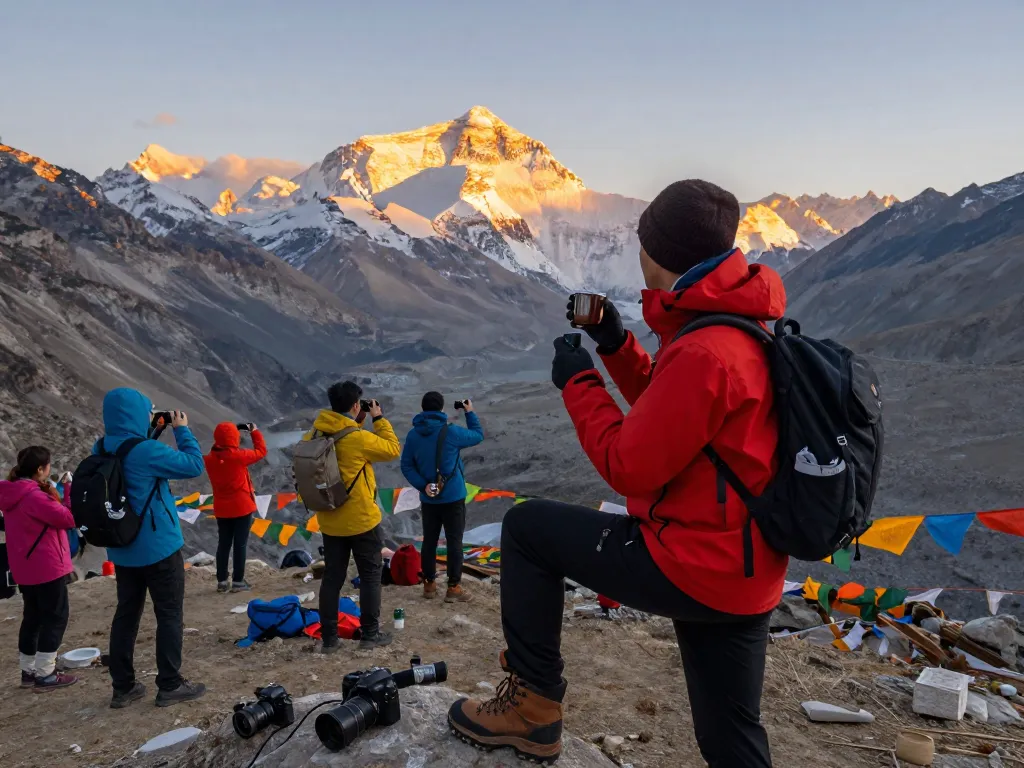
The Everest Base Camp Trek with Helicopter Return represents an extraordinary adventure that combines the thrill of trekking in the world’s highest mountains with the convenience of a helicopter ride back. For many adventurers, reaching Everest Base Camp is not just a trek; it is a journey of a lifetime, offering breathtaking views, challenging trails, and a chance to immerse oneself in the rich Sherpa culture. This unique trekking option allows trekkers to significantly cut down their time on the trail while still experiencing the beauty and majesty of the Everest region.
What is the Everest Base Camp Trek with Helicopter Return?
The Everest Base Camp Trek with Helicopter Return is a remarkable trekking package that allows hikers to trek for approximately 65 kilometers up to Everest Base Camp, situated at 5,364 meters, while utilizing a helicopter for the return journey to Lukla. This combination significantly reduces the trek’s overall duration, making it appealing for those who may not have the luxury of time to undertake the traditional 14-day trek. Typically, this trek spans about 12 days, providing ample opportunity to acclimatize, explore, and experience the stunning Himalayan landscape.
History and Importance of the Trek
The inception of the Everest Base Camp trek dates back to the early 20th century when the first expeditions attempted to summit Everest. The trek has since evolved into one of Nepal’s most popular trekking routes, attracting thousands of trekkers annually. The inclusion of a helicopter return option has changed the dynamics by accommodating those facing time constraints while maintaining access to the same awe-inspiring vistas and cultural experiences. The trek not only fosters tourism in the region but also promotes awareness and appreciation of the Sherpa people’s culture and traditions.
Key Highlights of the Trek Experience
- Stunning Views: Trekkers will experience panoramic views of some of the tallest peaks in the world, including Mount Everest, Lhotse, and Makalu.
- Rich Culture: The trek introduces you to Sherpa villages, Buddhist monasteries, and a unique way of life that has remained largely unchanged for centuries.
- Wildlife Encounters: The region is home to diverse wildlife, including the endangered red panda and various species of Himalayan birds.
- Acclimatization Opportunities: The itinerary allows for gradual acclimatization, thus reducing the risk of altitude sickness.
Preparing for Your Trek: Essential Tips and Equipment
Choosing the Right Gear for the Trek
One of the most crucial aspects of preparing for the Everest Base Camp Trek with Helicopter Return is selecting the appropriate gear. Weather conditions can vary drastically, and having the right equipment can make all the difference. Essential items include:
- Layered Clothing: Invest in moisture-wicking base layers, an insulating layer, and a waterproof outer layer.
- Quality Footwear: A good pair of trekking boots that provide ankle support and grip is vital for navigating rocky terrains.
- Daypack: A comfortable pack to carry your essentials, water, and snacks for daily hikes.
- Sleeping Bag: A four-season sleeping bag is recommended, as temperatures at higher altitudes can plummet.
Physical Preparation and Training Recommendations
Physical fitness plays a significant role in preparing for the trek. Engaging in a training regimen that includes cardiovascular exercises, strength training, and hiking can help build endurance. Recommended activities include:
- Cardio Workouts: Incorporate running, cycling, and swimming to improve cardiovascular health.
- Hiking Practice: Try to hike on varied terrains to simulate the trek conditions. Include elevation changes to mimic the Himalayan trails.
- Strength Training: Focus on legs, core, and back muscles, as these will be heavily utilized during the trek.
Understanding Altitude and Health Precautions
Altitude sickness can affect any trekker, regardless of fitness level. Understanding the symptoms and how to acclimatize is essential for a safe journey. Here are some key pointers:
- Hydration: Drink plenty of water to stay hydrated; dehydration can exacerbate altitude sickness.
- Ascend Gradually: Follow the itinerary carefully, allowing your body time to adjust to the altitude.
- Know the Symptoms: Be aware of symptoms such as headache, nausea, and fatigue. If you experience severe symptoms, descend immediately.
Itinerary Breakdown: What to Expect Day by Day
Day-by-Day Overview of Your Journey
The standard itinerary for the Everest Base Camp trek with helicopter return spans 12 days and typically includes:
- Day 1: Arrive in Kathmandu, briefings, and preparation.
- Day 2: Flight from Kathmandu to Lukla, trek to Phakding.
- Day 3: Trek from Phakding to Namche Bazaar, acclimatization day.
- Day 4: Hike to Everest View Hotel for panoramic views of Everest.
- Day 5: Trek from Namche to Tengboche, visit the famous monastery.
- Day 6: Trek to Dingboche, another acclimatization day.
- Day 7: Hike to Chhukhung and back to Dingboche.
- Day 8: Trek to Lobuche.
- Day 9: Trek to Everest Base Camp, return to Gorak Shep.
- Day 10: Hike up to Kala Patthar for sunrise views, then take a helicopter back to Lukla.
- Day 11: Fly from Lukla to Kathmandu.
- Day 12: Departure from Kathmandu.
Highlights and Major Stops Along the Route
As you traverse the route, be sure to enjoy the major highlights:
- Namche Bazaar: The bustling heart of the Khumbu region, perfect for acclimatization and local culture.
- Tengboche Monastery: The largest monastery in the Khumbu and a serene spot offering mesmerizing views.
- Gorak Shep: The last teahouse before Everest Base Camp, essential for nourishment and rest.
Treks vs. Helicopter Return: Pros and Cons
The choice between trekking back and taking a helicopter return ultimately depends on personal preferences and physical condition. Here are some pros and cons to consider:
- Helicopter Return:
- Pros: Saves time, reduces physical strain, and offers a unique aerial view of the landscape.
- Cons: More expensive and may miss out on the experience of the return trek.
- Traditional Trek Return:
- Pros: Provides a full trekking experience and the chance to explore more of the region.
- Cons: Takes longer and can be physically taxing.
Cost Analysis: Budgeting Your Everest Base Camp Experience
Estimated Costs for the Trek and Helicopter Return
Understanding the cost involved in the Everest Base Camp trek with helicopter return is vital for budgeting effectively. Expenses typically include:
- Trekking Permit Fees: Cost for TIMS and Sagarmatha National Park permits.
- Guided Tours: Hiring professional guides and porters can range from $800 to $3,000 depending on the package.
- Accommodation: Teahouses and lodges vary but generally cost between $10 and $50 per night.
- Helicopter Fees: The cost for the helicopter ride back to Lukla can range from $300 to $500 per person.
Hidden Costs and Budgeting Tips
In addition to the standard costs, there may be hidden expenses to consider:
- Meals: While some packages include meals, budgeting for extra meals and drinks is essential.
- Gear Rentals: If you don’t own all necessary gear, renting equipment locally can add to costs.
- Tipping: It is customary to tip guides and porters, usually around 10-15% of the total tour cost.
To manage your budget effectively, consider planning your trips during the off-peak seasons when prices for accommodations may be lower.
Comparing Costs with Other Trekking Options
When comparing costs with other trekking options, it’s essential to weigh the benefits of time saved against the additional expenses of helicopter returns. Other treks such as the Annapurna Circuit or shorter multi-day treks may offer lower overall costs but may not provide the same iconic views of Mount Everest.
Safety and Sustainability on the Everest Trek
Safety Practices During the Trek
Safety is paramount when embarking on high-altitude treks like the Everest Base Camp Trek. Key practices include:
- Travel with a Guide: A knowledgeable guide can navigate routes and manage risks effectively.
- Emergency Preparedness: Carry a first aid kit and be aware of emergency evacuation protocols.
- Altitude Awareness: Regularly assess your acclimatization and be prepared to descend if you experience severe symptoms.
Environmental Impact and Sustainable Trekking
As the popularity of trekking in the Everest region grows, so does the need for sustainable practices. Eco-friendly trekking benefits the environment and local communities:
- Leave No Trace: Always pack out what you bring in and properly dispose of waste.
- Support Local Businesses: Stay in locally-owned lodges and eat at small, local restaurants to stimulate the economy.
- Use Eco-Friendly Gear: Choose equipment and clothing made from sustainable materials.
Ensuring a Responsible Travel Experience
Travelers should prioritize responsible trekking practices to protect the natural beauty of the Everest region:
- Respect Local Cultures: Learn about and honor the Sherpa customs and traditions.
- Participate in Clean-Up Initiatives: Join efforts to clean trails and support conservation projects.
- Educate Yourself: Understand the impact of altitude on health and safety and share that knowledge with fellow trekkers.
Frequently Asked Questions:
What is the best time to do the Everest Base Camp Trek with Helicopter Return?
The ideal times to trek are during the pre-monsoon (March to May) and post-monsoon (September to November) seasons when the weather is generally stable.
How physically fit do I need to be for this trek?
A reasonable level of fitness is important. Regular cardiovascular exercises and hiking prior to the trek will enhance your ability to tackle the altitude and terrain.
Are there any age restrictions for participants?
Generally, those aged 12 and above can participate, although it’s crucial to evaluate physical fitness and health conditions.
What kind of accommodations can I expect?
Accommodations range from basic teahouses to more comfortable lodges, depending on the trekking package you choose.
Can I rent gear locally for the trek?
Yes, Kathmandu has numerous shops where trekkers can rent or buy trekking gear, often at reasonable prices.