Understanding Architectural Model Making
Architectural model making is a critical aspect of the architectural and construction industries, particularly in a country like Austria, known for its rich architectural heritage. Models serve as tangible representations of design ideas, allowing architects, urban planners, and stakeholders to visualize projects before they are built. This guide delves into the significance and intricacies of architectural model making in Austria, offering insights for both professionals and enthusiasts interested in this essential craft. For more in-depth exploration, check the section on Architectural model maker Austria.
What Is Architectural Model Making?
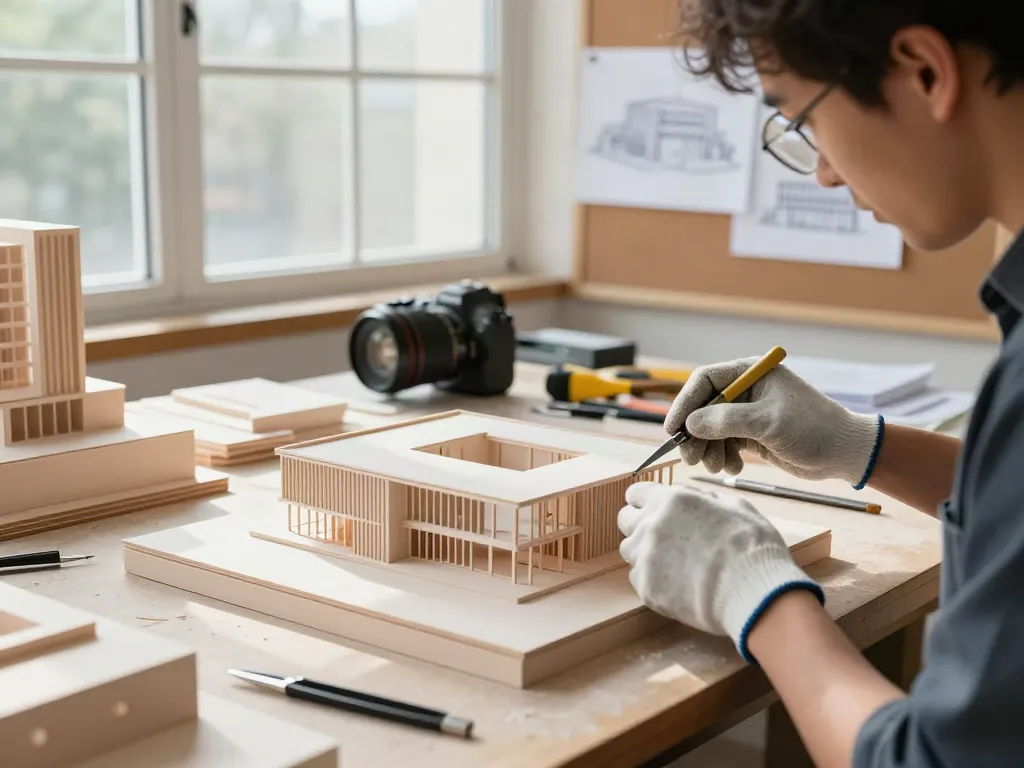
Architectural model making involves creating physical or digital representations of architectural designs. These models can range from simple conceptual sketches to detailed, scaled representations of buildings and urban spaces. They serve multiple purposes, including aiding in design development, facilitating client presentations, and enhancing public understanding of complex projects. In Austria, where the blend of historical and contemporary architecture is prevalent, model making provides a crucial link between imagination and reality.
The Importance of Architectural Models in Austria
In Austria's bustling architectural scene, models play a indispensable role in the planning and communication process. They not only support architects in visualizing their ideas but also help in securing permits and gaining stakeholder approval. Models foster collaboration among engineers, construction teams, and clients, allowing for early detection of potential design flaws. Moreover, they are vital in public consultations, enabling community members to better understand proposed developments in their environments.
Key Uses of Architectural Models
- Client presentations to visualize design concepts.
- Public exhibitions to gather feedback.
- Competition submissions to demonstrate design intent.
- Urban planning to assess the impact of new projects on existing surroundings.
Types of Architectural Models Available in Austria
Industrial and City Planning Models
Austria's industrial models showcase the planning of facilities such as factories and power plants. These models are essential for visualizing processes and logistics, particularly in industries like energy and manufacturing. City planning models, on the other hand, represent larger areas, allowing urban planners to assess developmental impacts and community needs. By providing a visual tool, these models assist in making informed decisions about infrastructure and public services.
Environmental and Competition Models
Environmental models are particularly significant in Austria, where projects must often meet strict ecological standards. These models illustrate how new buildings integrate into their natural surroundings, emphasizing sustainability and environmental impact. Competition models, crafted to the highest standards, require precision and detail. They are instrumental in architectural competitions, where they influence juror decisions.
Interior and Facade Models
Interior models focus on spatial arrangements and furnishings, helping designers visualize layouts and material choices. Facade models emphasize external aesthetics, exploring how different elements interact with light and surroundings. Together, these models bring to life both the functionality and beauty of architectural designs.
Production Techniques for High-Quality Architectural Models
Materials Used in Architectural Model Making
Various materials are employed in architectural model making, each selected based on the model's purpose and required detail. Common materials include:
- Wood for its versatility and natural beauty.
- Acrylic for its clarity and smooth finish.
- Foam board for lightweight and detailed models.
- 3D-printed materials for complex geometries.
Innovative Techniques and Technologies
Modern architectural model making has benefited immensely from technological advancements. Techniques like 3D printing and CNC machining allow for the creation of intricate designs with high precision. Digital modeling software enables architects to visualize and modify designs swiftly, while laser cutting provides accuracy in fabricating model components.
Consultation and Custom Solutions
Effective architectural model making often involves consultation with clients to understand their vision and requirements fully. Custom solutions are developed to create models that meet specific project needs, whether for small-scale designs or large urban developments.
Challenges in Architectural Model Making
Overcoming Complexity in Design
Creating complex architectural models requires a high level of expertise and experience. Balancing intricate details with overall design clarity can pose challenges. Advanced techniques, such as parametric design, enable architects to tackle such complexities by allowing them to create adaptable models that respond to various design specifications.
Effective Material Selection Strategies
The quality and durability of architectural models depend significantly on material selection. Each project necessitates an assessment of material properties, such as weight, strength, and appearance. Utilizing a mix of materials can enhance the model's functionality while achieving the desired visual impact.
Managing Time Pressure in Deliveries
Time constraints are a common challenge in architectural model making, particularly when projects are on tight schedules. Efficient workflows and prioritization are critical for meeting deadlines without compromising quality. Employing technology can streamline production processes and help manage time effectively.
Future Trends in Architectural Model Making in Austria
Integration of Virtual Reality and Augmented Reality
Virtual Reality (VR) and Augmented Reality (AR) are transforming the landscape of architectural model making. These technologies allow for immersive experiences, enabling stakeholders to walk through models and interact with designs in a virtual space. This shift enhances understanding and aids in decision-making throughout the design process.
Sustainability in Material Choices
As environmental concerns gain prominence, the architectural model making industry is leaning towards sustainability. This includes using eco-friendly materials and sustainable practices to minimize environmental impact. Clients are increasingly demanding models that reflect these values, pushing the industry toward greener solutions.
Demand for Custom and Smart Solutions
Clients are seeking models tailored to their unique specifications. This trend is propelled by advancements in technology that allow for greater customization and integration of smart technologies. These smart models can incorporate dynamic elements, such as lighting or moving parts, providing deeper insights into how the building will function in real life.
What are the costs associated with architectural model making?
The cost of architectural models varies widely based on size, complexity, and materials used. Custom models can range from hundreds to thousands of euros. It is essential to balance quality with budget constraints and to discuss pricing transparently with model makers.
How can I choose the right architectural model maker?
Choosing the appropriate architectural model maker involves evaluating their portfolio, understanding their production capabilities, and assessing their reputation in the industry. Communication is also key; a good model maker should be able to collaborate effectively with architects and understand project requirements thoroughly.
What innovations are shaping the future of architectural models?
Current innovations include advancements in 3D printing, which allow model makers to produce detailed models faster and more accurately. Additionally, the integration of VR and AR technologies is changing how clients interact with their models, enabling a more immersive experience that aids in visualization and understanding.
What types of materials are best for architectural models?
The best materials for architectural models depend on the intended use. For detailed display models, acrylic and wood are popular for their finishes, while foam board is ideal for lightweight and large-scale models. Selecting materials also involves considering the model's durability and the ease of fabrication.
How important is sustainability in architectural model making?
Sustainability is becoming increasingly crucial in architectural model making. As clients prioritize environmental responsibility, model makers are challenged to integrate sustainable practices in their processes. This includes sourcing eco-friendly materials and implementing waste-reduction strategies throughout production.